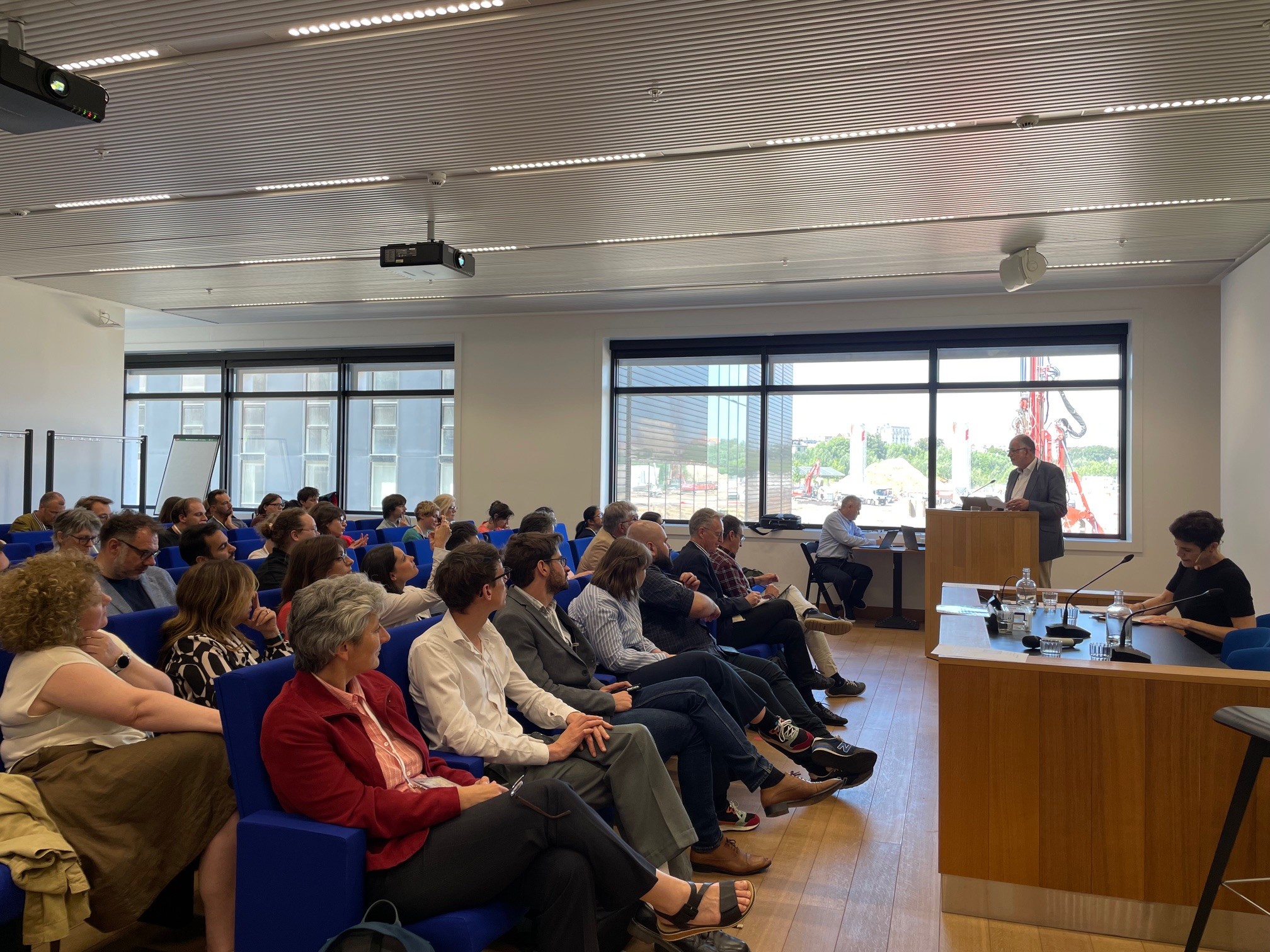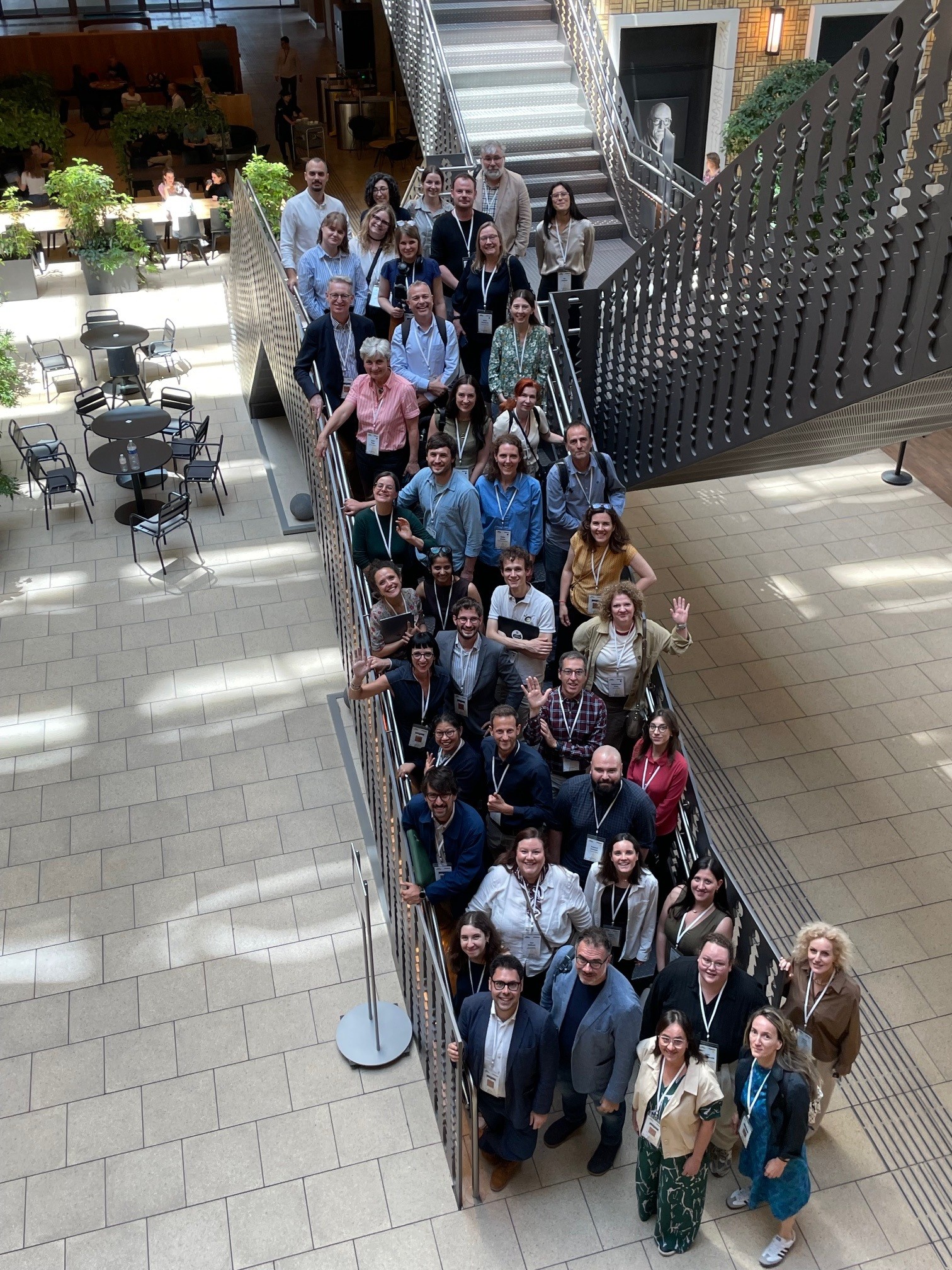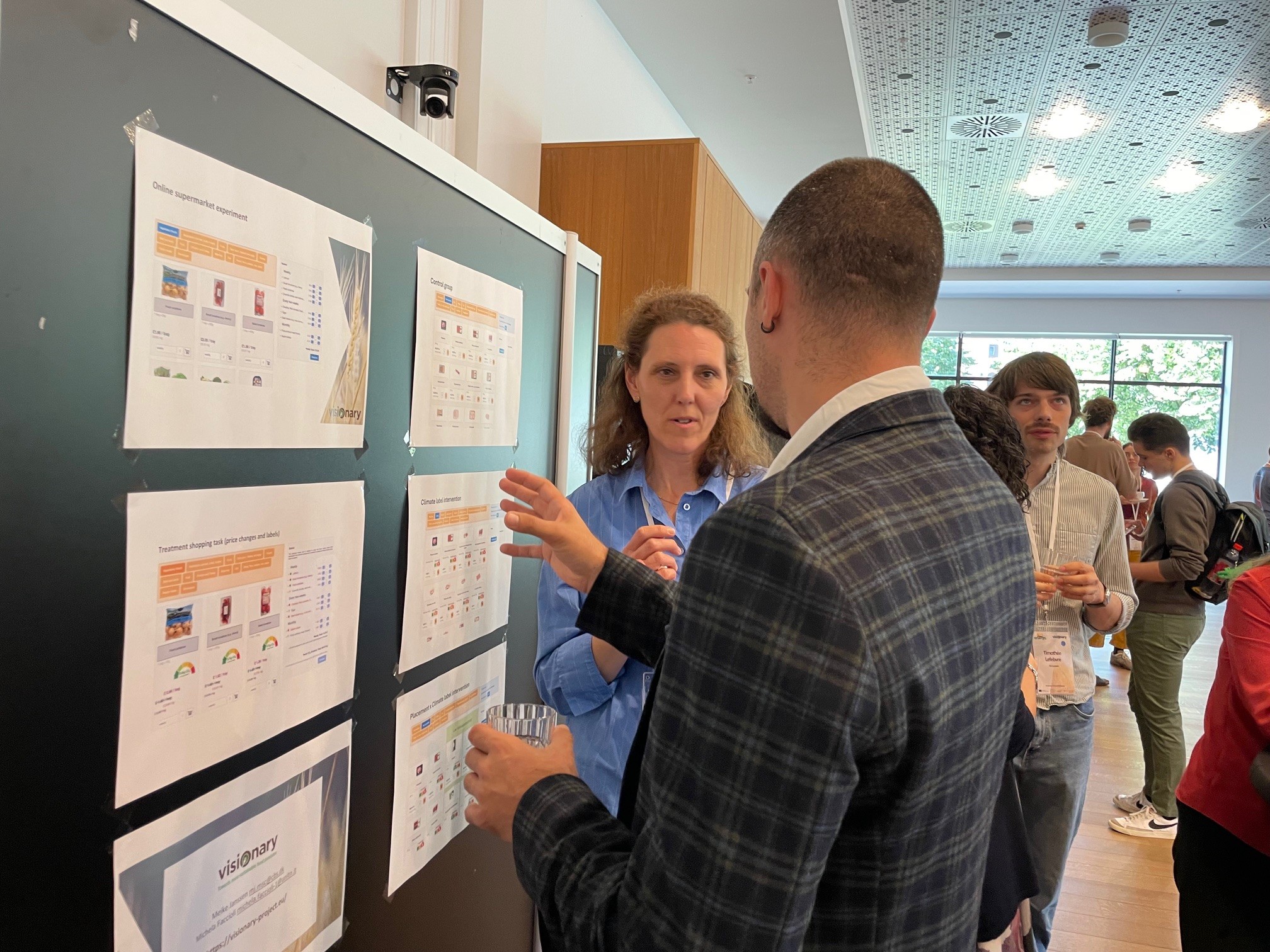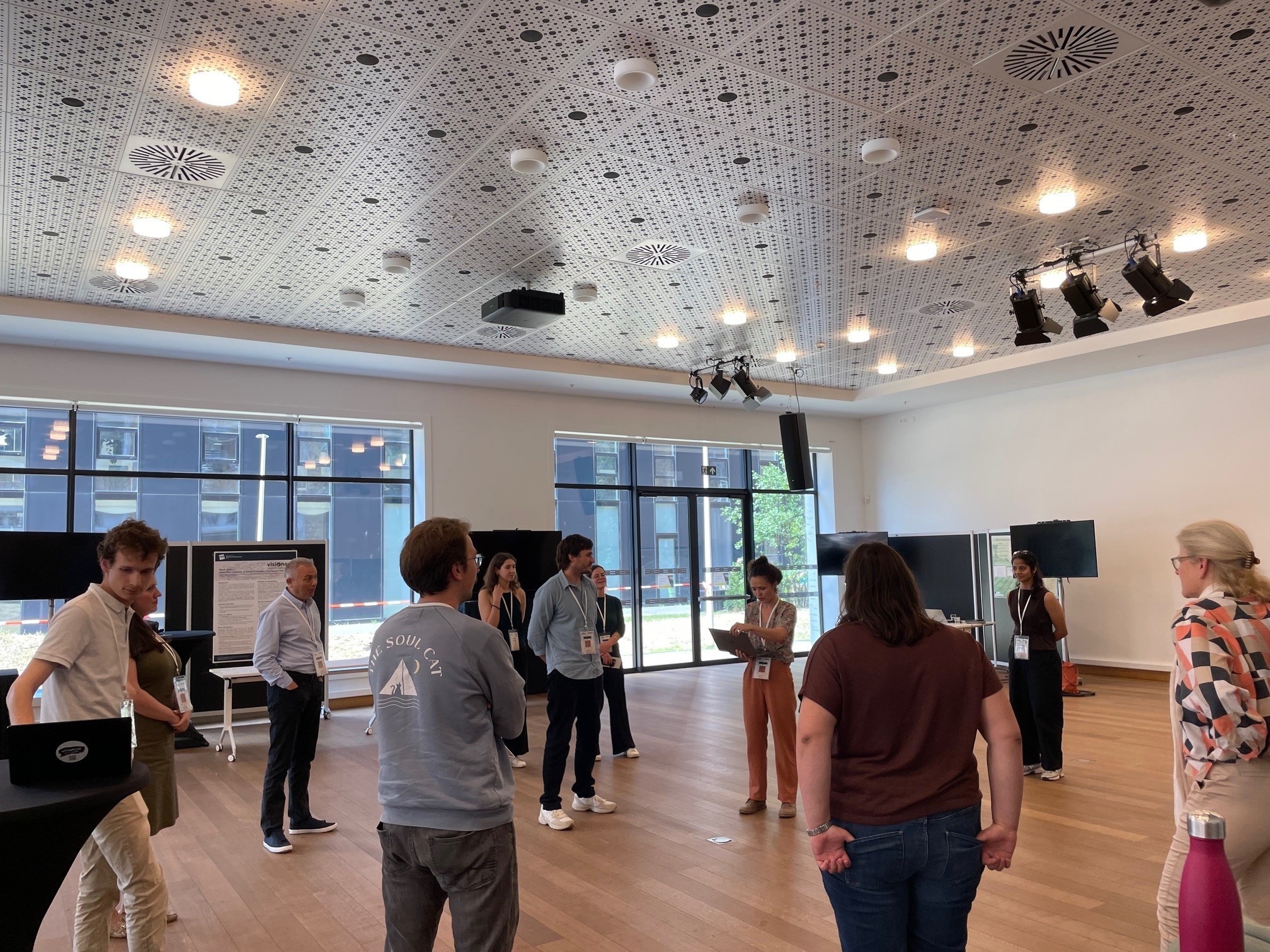
After four years of research, collaboration and exchange, the VISIONARY Project brought together researchers, policymakers, practitioners and stakeholders from across Europe for its final conference, “From Research to Action”, jointly organised with the ENFASYS project in Brussels.
With around 100 participants – 80 attending in person and 20 joining online – the event provided a platform to reflect on key project findings, exchange experiences and discuss how research can accelerate the transition towards more sustainable, resilient and inclusive agri-food systems.
The conference reflected the core ambition of VISIONARY: connecting scientific knowledge with practical action and fostering dialogue across disciplines, sectors and governance levels.
Systems thinking meets behavioural insights
The event opened with welcome addresses by project coordinators Erwin Wauters (ENFASYS) and Dionisio Ortiz-Miranda (VISIONARY), setting the stage for discussions on one of the conference’s central themes: combining systems thinking with behavioural insights to better understand the complexity of agri-food systems and support more effective policies and interventions.
Across keynote presentations, panel discussions, fishbowl sessions, roundtables and breakout workshops, participants explored how systemic approaches can help overcome barriers to sustainability while recognising the diverse perspectives of farmers, consumers, businesses, policymakers and civil society.
From research findings to practical solutions
Throughout the conference, VISIONARY partners presented insights generated across the project’s case studies and stakeholder engagement activities.
Discussions highlighted that transforming agri-food systems requires more than technological innovation or isolated policy measures. Instead, successful transitions depend on collaboration, shared learning and a better understanding of how different actors influence – and are influenced by – the wider food system.
Topics explored during the conference included behavioural drivers of sustainable transitions, participatory approaches to policy design, sustainable value chains, consumer choices, organic farming, agroecological practices and governance approaches that support systemic change.
The interactive conference format encouraged participants to exchange experiences, challenge assumptions and jointly reflect on opportunities for scaling up successful approaches.
Collaboration drives transformation
One message resonated throughout the event: sustainable food system transitions cannot be achieved by individual actors acting alone.
Researchers, policymakers, farmers, businesses and civil society all have important roles to play in shaping future food systems. Participants emphasised that collaboration across sectors and governance levels—as well as genuine co-design of policies and solutions—is essential for creating meaningful and lasting change.
This perspective was echoed by speakers who highlighted the need for future agricultural policies to move beyond consultation towards co-design, strengthen landscape-level collaboration and better support nature-positive farming approaches.
We would like to thank all speakers, participants, moderators and organisers for contributing to an inspiring day of dialogue and exchange.