




For Practitioners
VISIONARY aims to provide a range of practitioners -including farmer organisations, advisory services, companies, and NGOs – with insights into how to shape more sustainable business models along the food value chain. This is precisely the focus of WP4, Value Chain Initiatives and Business Models, which investigates private initiatives among operators in agri-food value chains and seeks to identify successful business strategies and models that create markets for sustainably produced food. This will be achieved, for example, by examining existing successful value chain initiatives and testing consumer-oriented nudging and promotional measures through a multi-method approach that includes experiments with retailers.
News
New publication: Climate change skepticism and farmers’ responses to CO₂e taxation
A new study by VISIONARY partners Kahsay Haile Zemo and Mette Termansen from the University of Copenhagen examines how climate change skepticism influences farmers’ perceptions of climate policy and their willingness to adopt mitigation measures. The research is based...
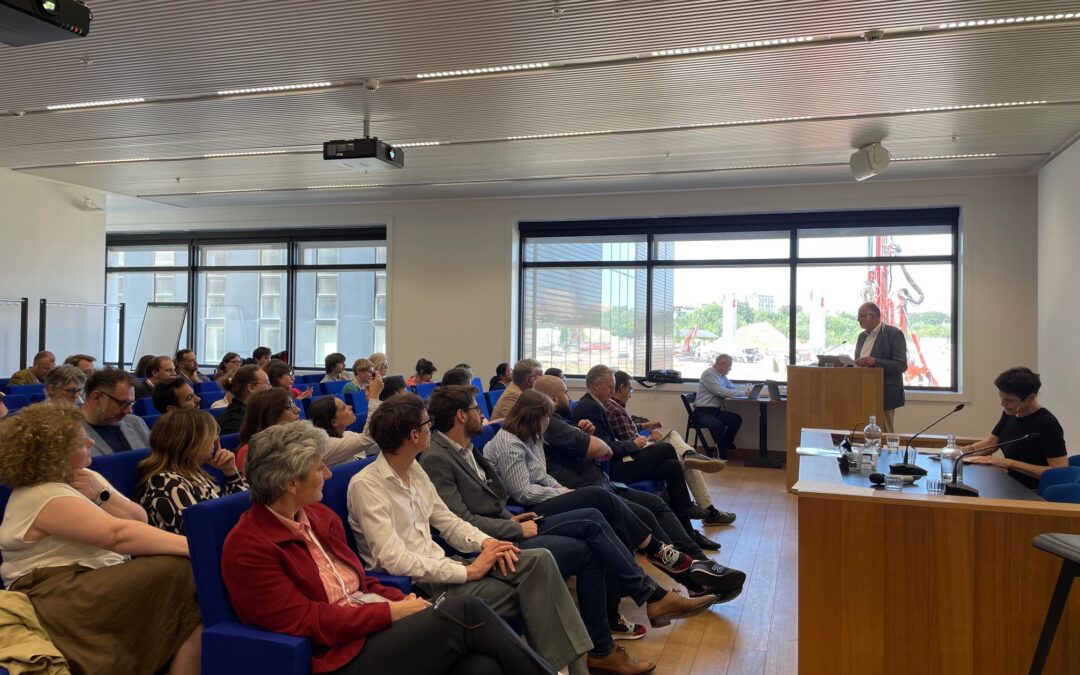
From Research to Action: VISIONARY Final Conference highlights pathways for sustainable agri-food systems
After four years of research, collaboration and exchange, the VISIONARY Project brought together researchers, policymakers, practitioners and stakeholders from across Europe for its final conference, "From Research to Action", jointly organised with the ENFASYS...
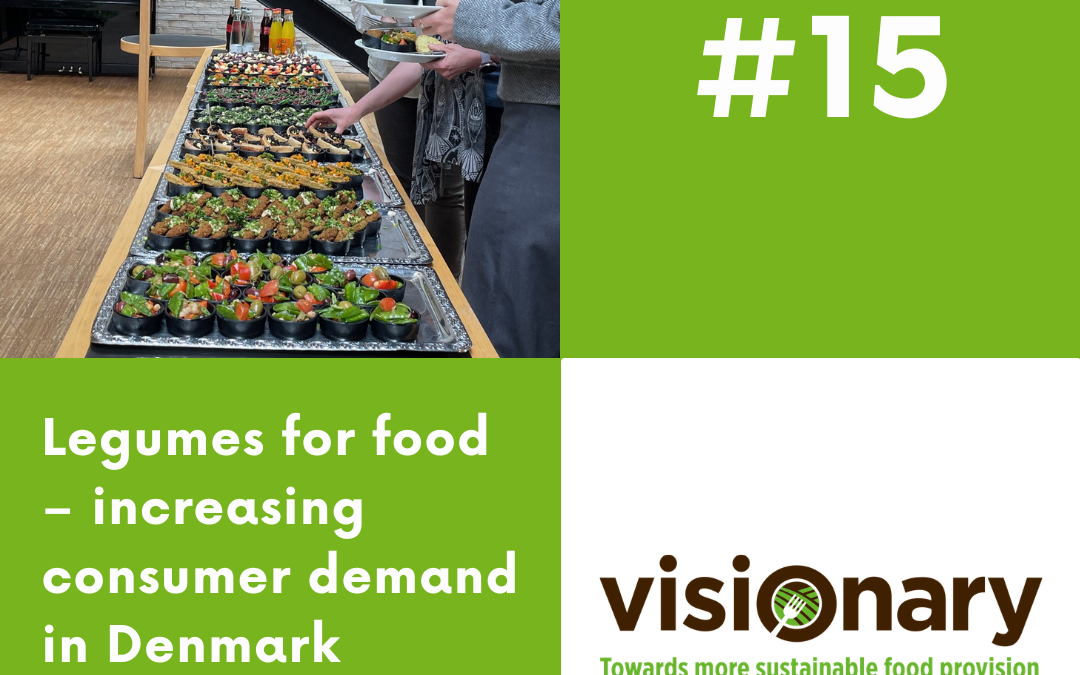
SPI of the month: Legumes for food – increasing consumer demand in Denmark
This SPI gathers a broad range of stakeholders from the Danish plant-protein sector, including producers (food companies, processors, farmers), NGOs and think tanks, and policy-makers from different government agencies. The first SPI meeting took place on June 19,...
Publications
Causal Loop Diagrams representing system dynamics of food systems
Read more
This report applies a system dynamics approach, using qualitative Causal Loop Diagrams (CLDs) to visualise the cause-and-effect relationships and reinforcing and balancing feedback loops between system variables that drive sustainability transitions across four thematic areas: local short food chains, water management, agri-biodiversity, and climate impact from consumption. This provides insight into key complex dynamics and interdependent conditions that may facilitate, inhibit, or slow transition. In total, four CLDs were developed, each broken into subsystem diagrams for simplification and clarity.
SPI Briefing #2 - Foresight methodology
Read more
In this second SPI briefing, we introduce foresight—an approach that helps stakeholders move beyond disagreements, strengthen cooperation and trust, and explore shared pathways toward a desirable future. This is especially relevant for complex and sensitive issues such as collective water use in agriculture, a critical resource for food production. The policy corner highlights key insights from the European Water Resilience Strategy (June 2025), the Water Framework Directive (WFD), and highlights regarding water within the new Common Agricultural Policy (CAP).
Drivers and Barriers Associated with Value Chain Initiatives
Read more
Drivers and barriers associated with value chain initiatives
The need to accelerate the transition towards sustainability in food provisioning and consumption is both urgent and complex. The urgency stems from the detrimental effects of current food systems on the environment and on socioeconomic conditions. The complexity lies in the way the agri-food system, in all its guises, is configured, including production intensification and monoculture, concentration of corporate control across agriculture and the food industry, consolidation of retail and distribution systems, and the unsustainable consumption patterns these structures reinforce.
In recent years, niche business developments have emerged as key drivers of sustainable development. Often enabled by developments in socio-technical innovations, these alternative business and value chain models have appeared as potential solutions to market failures by introducing new products, services and/or processes. A positive sustainability influence calls for a substantial contribution to progress these initiatives by scaling up and out to exert both significant market influence and broad social or political influence. However, the potential of these niche sustainable value chains/business models to considerably disrupt the market and society substantially, is still unclear.
The study draws on seven innovative agri-food value chain initiatives across Europe, each representing a distinct niche business model that employs alternative operational and governance mechanisms to promote sustainability. Using a practice-based approach to value chain analysis, the study examined how sustainability is introduced, enacted, and sustained across the value chains through social practices. This summary report presents the key findings on the drivers and barriers to promoting sustainability in value chain operations, and their implications for the ability of sustainable business initiatives studied to effectively deliver sustainability outcomes. A full report will be made available in due course.
The findings indicate that clearly articulated sustainability visions and goals act as a lever for embedding sustainability within value chain operations. However, sustainability objectives cannot remain confined to business-level strategies; they must be enacted through coordinated practices across the value chain to generate tangible and intangible outcomes. A key factor in catalysing sustainability innovations in value chains lies in the role of the leading initiative/entrepreneurs in identifying and positioning innovation (technological or social) within the chain. These actors’ function as ‘sustainability practice brokers’ by channelling sustainability innovation ideas and shaping their adoption across the chain (e.g., how they are introduced across the chain), and build critical social bridges through effective collaboration both horizontally and vertically throughout the chain to enable sustainability-oriented transformations.
The study revealed a set of dynamic and interconnected practices across the value chain that are relevant for constructing and maintaining sustainability. These are grouped into three thematic categories: cooperation, improving and relational governance. These practices serve as key drivers of sustainability innovation by structuring change processes and shaping the chain operational activities of the actors involved.
Cooperation practices such as information sharing and network-building, facilitate stakeholder engagement and collective agency. Improving practices support experimentation, innovation co-creation, shared learning and skills development, which strengthen both knowledge capital and social capital. Relational governance practices, including codes of conduct and effective communication, play a functional role through reinforcing trust, establishing relationships based on shared expectations in the value chain, and promote positive history of collaboration.
These practices contribute to the construction and maintenance of sustainability in the value chain context by nurturing various forms of socio-technical, socio-economic and socio-cultural developments, including generating secure market opportunities for producers, building knowledge capital through stakeholders’ capacity building, and strengthening social capital.
Despite these enabling practices, common barriers persist across the value chains, particularly, limited financial resources and the inability to drive significant shifts in market and consumer demand, emerge as key constraints, which pose significant risks to scalability, replication, and long-term viability.
In conclusion, the study offers useful actionable guidelines for businesses to enhance their internal value chain operations to effectively unlock sustainability transitions. Also, the study provides insights for potential policy interventions to support the scalability and/or replication of these small sustainable business models.
The following aspects can be recommended for businesses:
- Cooperation and collective action across the value chain are essential to address systemic sustainability challenges. This translates into shared responsibility toward achieving a common goal.
- Governance structures: Businesses should invest on building mutual trust and relational capacity across the value chain among actors. This is essential to boost social ties that enable engagement in continuous improving practices, i.e., co-creation practices, to maintain and continually develop innovations overtime. The presence of formal or informal governance mechanisms within the chain is essential to provide guidelines for actors and in governing relationships to build trust-based relations.
- Network building and mobilisation across diverse range of external stakeholders can help overcome the limitation of resources and knowledge capital commonly encountered by these ‘niche’ businesses.
Policy recommendations
Public policy schemes should prioritise support for sustainable entrepreneurial businesses at the local level by providing funding opportunities to invest in regional/local supply chain and value chain infrastructure upgrade, capacity building, and invest in marketing, thereby boosting visibility, recognition, and long-term competitiveness.
- Government leadership and endorsement: essential to support SMEs sustainable entrepreneurial initiatives visibility by recognising their sustainability efforts, thereby granting businesses legitimacy that extends beyond purely economic considerations.
- Value chain infrastructure gaps: policy effort should prioritise investments in these infrastructures at the local and regional level to improve sustainable SMEs supply chains operational efficiency and reducing transaction costs.
- Public funding design: Policy frameworks should move beyond short term funding and instead provide stable, medium to long-term financial support for sustainable agro-food SMEs. Such support should be flexible to provide the stability and adaptability needed to implement ambitious innovative projects. This will help ensuring continued viability and scaling of these business models. For example, public funding schemes are needed to enable these initiatives to cover marketing and promotional costs over a defined period. This is essential to enhance visibility, consumer awareness, and market demand.
- Support sector leadership: promote public-private partnerships (PPP) and provide stable financial support to sustainable value chain leaders or lead firms. These actors are pioneers and entrepreneurs who play pivotal role in coordinating stakeholders and mobilising collective action across supply chains. These actors are often acknowledged as essential for innovation and promoting sustainable development but often remain institutionally unsupported. Investing in these PPP represent an opportunity to strengthen the social infrastructure across supply chains, which enhances the relational and innovation capacity needed to unlock more sustainable change across socio-technical, socio-economic, and socio-cultural domains. These shifts are essential to enable system change.
The Role of Behavioural Drivers for the Design of Economic Policy Interventions to Reduce Greenhouse Gas (GHG) Emissions From Agriculture
Read more
This manuscript, prepared under Work Package 3 (WP3) of the VISIONARY project, contributes to the overarching aim of identifying policy levers that can support transitions towards sustainable farming and food systems in Europe. WP3 investigates how behavioural approaches and experimental methods can help design effective agri-environmental policy interventions to address three key transition challenges: climate neutrality, halting biodiversity loss, and improving water quality. In this context, the manuscript focuses on the role of behavioural drivers — cognitive, social, and dispositional factors that shape human decision-making — in determining farmers' responses to economic policy instruments designed to reduce greenhouse gas (GHG) emissions from agriculture.
The manuscript presents findings from two complementary experimental studies. The first study investigates Italian dairy farmers' preferences for alternative payment schemes aimed at incentivising the adoption of essential oil feed supplements to reduce enteric methane emissions. Using a lab-in-the-field experiment with 120 farmers in the Autonomous Province of Trento, it elicits willingness to accept Action-Based Payments (ABPs), Results-Based Payments (RBPs) framed either as an Agri-Environmental Climate Scheme or a voluntary carbon market, and Hybrid Payment (HP) designs combining both components. The second study examines Danish farmers' beliefs about the economic impacts of a CO2e tax on agriculture and tests whether providing expert information can reduce misperceptions and increase policy support. It draws on a randomised survey experiment with 981 farmers, conducted in the context of Denmark's actual CO2e tax proposals at both high (750 DKK/tonne) and low (125 DKK/tonne) stringency levels.
The results demonstrate that behavioural drivers are central mediators of farmers' acceptance of climate policy instruments. Italian dairy farmers show a general preference for ABPs over RBPs, driven by familiarity, certainty preference, and reduced complexity, though acceptance of innovative payment mechanisms improves substantially when pro-environmental attitudes are present, risk aversion is lower, and farmers have higher perceived behavioural control over the implementation of new practices, and when RBPs are introduced in hybrid formats alongside conventional subsidies. Notably, farmers' responses to hybrid schemes are more coherent when paired with an AECS framing than with a voluntary carbon market framing, suggesting that pure market mechanisms create additional psychological barriers. Danish farmers systematically and substantially overestimate the negative economic impacts of the CO2e tax — by a factor of up to three relative to expert estimates — and this perception gap represents a key driver of policy opposition. Expert information partially reduces these misperceptions and increases tax support, but the effect is heterogeneous: smaller farms and crop producers respond more readily, while larger farms and livestock producers exhibit limited belief revision, consistent with motivated reasoning. The study also finds that opposition to the carbon tax can paradoxically increase openness to an agricultural ETS scheme, pointing to a policy substitution effect with important implications for policy sequencing. Together, these findings highlight that achieving agricultural GHG reductions requires policy designs that account for behavioural realities, including uncertainty aversion, belief biases, and farmer heterogeneity, thereby contributing to VISIONARY's broader objective of identifying how policy design can facilitate sustainability transitions in diverse socio-ecological contexts.
The full report will be available soon.
Supermarket Interventions for Promoting Food Consumption with Lower Climate Impacts
Read more
This report synthesizes the results of two studies on supermarket interventions aimed at reducing the climate footprint of food consumption. Food systems account for approximately one-third of global anthropogenic greenhouse gas emissions. The Farm to Fork Strategy acknowledges the urgent need to reduce the climate footprint of the European food system through a comprehensive transition across the entire food chain, including shifts in consumers’ food choices. The retail sector plays a pivotal role in shaping markets and influencing consumers’ dietary choices, and the Farm to Fork Strategy explicitly calls for changes in food distribution and marketing practices.
The overarching objective of the two empirical studies presented in this report was to investigate the effectiveness of supermarket interventions in reducing the climate impact of food consumption through shifts in consumer behaviour towards more sustainable food choices. The two studies tested a set of interventions through an online supermarket experiment embedded within a consumer survey. We simulated a realistic online supermarket environment, providing a means to assess households’ food purchase behaviour across different food categories. Study 1 focussed on behavioural interventions and tested the effects of a placement intervention (i.e. the strategic placement of plant-based assortments within the meat and dairy sections), a climate label (i.e. a traffic-light label based on CO2e emissions), and the combination of the two. The study was conducted in Germany, Denmark, Spain and Hungary with a sample of N=7,373 participants. Study 2 tested the effects of price changes (i.e. price increases for high-emission foods and/or price decreases for low-emission foods), climate labelling (i.e. information on the CO2e emissions of food products) and different combinations of these treatment interventions. The study was conducted in Italy, Poland and the United Kingdom with a representative sample of N=7,482 consumers.
Study 1 on behavioural supermarket interventions in Germany, Denmark, Spain and Hungary showed that the strategic placement of plant-based assortments in the meat and dairy sections as well as the introduction of a climate label can reduce the carbon footprint of food purchases, particularly when implemented jointly. The effectiveness of the tested interventions varied across countries and not all effects were statistically significant. Across Germany, Denmark, and Spain, the combination of the placement intervention with a climate label resulted in the greatest reduction in emissions by –13% to –16% (compared to the control group). In Spain and Denmark, the introduction of a climate label also had a statistically significant effect. The placement intervention by itself had a significant effect only in Denmark. In Hungary, none of the tested interventions significantly reduced the climate impact of food purchases; however, the combined intervention led to a significant reduction of climate emissions among younger age groups (up to 40 years).
Study 2 on price- and information-based interventions in Italy, Poland and the United Kingdom found that price mechanisms and information are effective tools to reduce emissions from food consumption behaviours. While price increases for high-emission foods had, on average, the strongest effects in terms of emission reductions (–4% to –9%) across all three countries, the effect size of the remaining interventions differed across countries, suggesting that the optimal implementation may depend on specific country settings. Price discounts for low-emission foods by themselves did not lead to the desired effect of reducing the climate impact of food consumption, but instead had a null (Italy) or even positive effect (Poland and the United Kingdom) on food-related emissions – unless combined with climate labelling and/or price increases for high-emission foods. Climate labelling by itself (without the implementation of price changes) yielded remarkable significant reductions in emissions in Poland and the United Kingdom, but was ineffective in Italy. The results from Study 2 additionally show that it is possible to achieve equivalent emission reductions using different mixes of instruments and that solutions should be carefully chosen and tailored depending on the country context and objectives.
In both studies, significant reductions in the climate impact of food purchases were primarily driven by lower purchased quantities of high-emission foods, particularly beef and cheese. Although the average decrease in the purchased quantity of these items was relatively modest, the corresponding reduction in CO₂e emissions was substantial, underscoring that even small shifts in consumer behaviour away from high-emission, animal-based foods can yield significant climate benefits.
The tested interventions promoting (plant-based) foods with low CO₂e emissions – the placement intervention in Study 1, and the price discount intervention in Study 2 – successfully increased the purchases of these products in all countries across both studies. Interestingly, when implemented as single interventions rather than as part of an instrument mix that also modifies aspects of high-emission foods, these measures failed to significantly reduce the climate impact of food purchases. Consumers exposed to these interventions did not significantly reduce the consumption of high-emission foods so that the desired substitution from high- to low-emission foods did not occur.
The findings from the two studies raise important questions about the role and power of supermarkets in shaping the food environments within which consumers make their food choices. The studies demonstrate that far-reaching measures implemented in supermarkets have the potential to substantially reduce the climate footprint of food consumption in the EU through shifting consumer behaviour towards more sustainable food choices. However, while the retail sector holds significant leverage to drive such change, the commercial interests of retailers are not necessarily aligned with policy objectives aimed at reducing the climate impact of food consumption. This report seeks to inform and motivate both private and public stakeholders in the food sector to act upon these insights.
The full report will be available soon.
Behavioural insights into consumer demand for sustainable food
Read more
This report brings together evidence from seven empirical studies examining how adjustments to food environments can encourage more sustainable food consumption. Food systems are key contributors to environmental degradation, driving habitat loss, water pollution, biodiversity decline, and climate change (Crippa et al., 2021). In response, the European Union’s Farm to Fork Strategy seeks to reduce the environmental and climate footprint of the food system by promoting changes across the value chain, from production to consumption (European Commission, 2020). Within this transformation, the retail sector occupies a strategic position, as it shapes product availability, marketing activities, and purchasing contexts, and is therefore explicitly targeted in the Strategy’s call for changes in food distribution and promotion practices.
The seven studies synthesised in this report evaluate a broad set of interventions, mostly within the operational scope of private food retailers, including choice architecture measures, pricing strategies, climate labels, and other point-of-purchase tools. Collectively, they address two overarching objectives central to the transition toward more sustainable food systems:
• Reducing the climate impact of food consumption through supermarket-based interventions (Studies 1–5)
• Promoting consumption of locally produced food through short supply chains (Studies 6 & 7)
Studies 1 and 2 analysed how supermarket interventions influence the climate impact of entire food baskets, drawing on cross-country survey experiments. Study 3 focused on consumer substitution between meat and legumes under different pricing scenarios using survey-based experiments conducted in Denmark. Studies 4 and 5 tested in-store promotional strategies designed to increase legume purchases through field experiments in operational supermarkets in Spain and Denmark. Study 6 evaluated the effectiveness of different promotional messages in attracting customers to a farm shop in England, while Study 7 explored consumer perceptions, emotional responses, and shopping behaviours related to farmers markets in Romania, with an emphasis on locally produced food.
Taken together, the findings of the seven studies demonstrate that behavioural interventions in food retail environments can steer consumer purchasing toward more sustainable options. However, their individual effects are typically modest. The evidence strongly suggests that integrated intervention packages – particularly those combining pricing measures, climate labelling, and strategic product placement – are substantially more effective than isolated actions. Meaningful reductions in the climate impact of food consumption therefore require structural changes to food environments rather than reliance on voluntary or informational measures alone.
Many of the effective interventions identified fall within the operational scope of private food retailers, positioning them as important facilitators of change. At the same time, this reliance on retailer action poses limitations from a policy perspective. While retailers can play a key enabling role, they are unlikely to serve as the primary drivers of systemic change. Public policy instruments – such as regulation, fiscal incentives, and mandatory information requirements – are likely necessary to align retail practices more closely with broader sustainability objectives.
The full report will be available soon.
Effective Communication in Alternative Food Networks: A Scoping Review and Implications for Scottish Food Systems
Read more
This publication documents the results of a scoping literature review of European academic literature published 2015-2025 to show what is known about Effective Communication in Alternative Food Networks. While the authors (Inyang, Hashem & Prager) discuss the implications for Scottish Food Systems, VISIONARY partners at Exeter University provide a commentary based on their experience with short food supply chains and alternative food networks in England. They worked closely with a local food distribution hub, Tamar Grow Local (TGL) which is run by a group of staff (equivalent to 4 full time employees) and 10 core volunteers.
TGL is fully aware that effective communication is central in fostering consumer trust, loyalty and sustained participation in AFNs. They use storytelling, authenticity and regular updates through direct contact and social media and know that these methods are effective. Regular contact tends to occur mainly when food boxes are distributed to customers.
The two insights that resonated most with the TGL case are the particular resource constraints facing AFNs, and the underuse of messages around fair prices and educational content.
Resource constraints limit impact of communication strategies
- Resource constraints impact on TGLs ability to make full use of social media as a digital communication strategy. TGL producers and managers lack the time to a) get training in digital literacy, storytelling and social media, but also b) for consistent engagement. Time is the scarce resource.
- Resource constraints are also the limiting factor for involving consumers in the co-creation of narratives. TGL do not do this at the moment. While they see the value, coordinating consumers is resource intensive and this resource is currently not available.
- TGL is very keen to capitalise on incorporating basic evaluation tools to assess messaging effectiveness and inform future strategies. They realise that this is essential to help continuous learning and optimisation of communication strategies. So, they do not lack of attention to measurable outcomes as such, but again time constraints limit their capacity to evaluate the data.
Messaging needs to emphasise economic and fair content
- Messages about fair prices for producers and local economic development were not very prominent across the reviewed literature. Yet this is exactly what TGL customers care most about: supporting the economic viability of local farming families. Customers dislike what is perceived as an exploitative relationship between supermarkets and primary producers. Therefore, putting fair prices centre stage in AFN marketing messages is crucial.
- Knowing your customers is important for another reason: the average TGL customer is over 50 years old and their customer base relies on traditional communication channels such as email, news letters and phone. It is therefore vital to ensure accessibility of customer phone numbers and email addresses, and segmented mailing lists could be considered.
- Similar to AFNs in the reviewed literature, TGL communication does not feature educational messages strongly. They should emphasise this more, given the evidence that educational messaging around core values boosts long-term consumer retention and encourages consumer engagement, effectively creating a community of advocates.
Behavioural response to alternative policy instruments to reduce greenhouse gas emissions
Read more
This report documents findings produced by Task 3.2 “Transition of agri-environmental systems to climate-neutral food systems” within WP3 “Agri-environmental policy experimentation”. The task aims to explore EU farmers’ acceptance of both compulsory measures (such as an agricultural emissions trading scheme) and voluntary carbon markets. It will also examine other economic instruments, including carbon, or CO2e, taxes and innovative subsidy schemes (such as result-based payments (RBPs) and hybrid payments (HPs)), designed to encourage climate-friendly farming practices. In addition, Task 3.2 has the objective to investigate whether and to what extent behavioural factors affect farmers’ acceptability of such economic policy instruments. To address these objectives, two contextualized experiments involving a total of about 1,100 farmers were conducted, one in Italy and the other in Denmark.
The potential of a governmental label for dark green agri-environmental measures
Read more
This report, prepared under Work Package 3 (WP3) of the VISIONARY project, contributes to the overarching aim of identifying policy levers that can support transitions towards sustainable farming and food systems in Europe. WP3 investigates how behavioural approaches and experimental methods can help design effective agri-environmental policy interventions to address three key transition challenges: climate neutrality, halting biodiversity loss, and improving water quality. In this context, our study focuses on the potential of a labelling framework for dark green agri-environmental climate measures (AECM) as one possible policy lever to incentivise farmer participation and thereby strengthen the biodiversity transition.
Promoting Balanced Growth of Organic Farming in the EU: Barriers, Drivers, and the Potential of future Public Procurement policy design
Read more
The shift to organic farming is influenced by a mix of interconnected barriers and drivers. A review of existing research, mental models, workshops, and interviews highlighted common problems such as unstable demand, limited processing facilities, not enough advisory support, labour shortages, and inconsistent policies. At the same time, positive factors like farmer-to-farmer learning, advisory help, clear action plans, collaboration across different sectors, and public awareness campaigns were identified. These findings show that the move to organic farming is not blocked by a single issue but depends on how well the whole food system works and how different actors—farmers, advisors, processors, distributors, consumers, and policymakers—coordinate their efforts.
Testing design principles of collective action schemes to enhance sustainability of water resource use
Read more
Water resource management at the landscape scale is vital for addressing environmental and hydrological challenges in European agriculture. Due to fragmented land ownership, management must extend beyond individual properties and align with hydrological systems, requiring collaborative governance involving farmers and other stakeholders. This study (Milestone 9) on motives and barriers of collective action to reduce the impact on water resources uses Elinor Ostrom’s design principles (DPs) as a diagnostic tool to assess institutional robustness in three cases: irrigation management in Spain and Hungary, and catchment-based nitrogen regulation in Denmark. The Spanish case shows strong alignment with DPs, featuring nested, user-driven organizations and legal recognition of collective rights. The Hungarian case shows strong top-down control, but lacks the capacity to implement complex and collective water management initiatives, as well as the necessary bottom-up cooperation, coordination and professional guidance. The Danish case diverges notably from DPs due to limited stakeholder involvement and user autonomy. These findings demonstrate how institutional context and governance design affect legitimacy and effectiveness in water management. While Ostrom’s principles offer a valuable institutional benchmark, they provide limited insight into behavioral factors influencing farmer participation. We propose that future research on Ostrom’s principles need to incorporate behavioral perspectives to better understand successes and failures of collective agri-environmental schemes for sustainable water resource use. Our follow-up work will move beyond institutional analysis to explore the behavioural levers and barriers in collective agri-environmental programs.
Agent-Based Modelling of food systems: A scoping review on incorporation of behavioural insights
Read more
In this article, we present a scoping review of agent-based models (ABMs) in food systems, focusing on how behavioural insights are incorporated. The article was published in the "Environmental Modelling & Software Journal" and is the corresponding output to “Deliverable 5.3 - Review of food systems models and their behavioural assumptions. We find that many models lack behavioural justification and highlight the need for a stronger foundation of behavioural assumptions.
We suggest the following tentative guidelines to support future ABM development in food system modelling:
- Behavioural justification. Behavioural choices should be justified by theory or data. E.g., by using the MoHuB framework to identify relevant behavioural theories.
- Model parsimony. Models should be kept as simple as possible by focusing on specific parts of the food system and limiting spatial scope to what’s necessary to answer the research question.
- Transparency and documentation. The use of standardized protocols, such as ODD + D, is recommended to improve transparency, reproducibility, and comparability.
Literature-based mapping of drivers for behaviour change in the food system
Read more
This study (Deliverable 2.1) consists of a systematic literature review to map levers and lock-ins to give an overview of drivers for behaviour change and their relevance to specific actors in the food system and specific value chains. This was achieved by performing an umbrella review of systematic and structured literature reviews conducted in relation to the behavioural aspects of sustainability transition in food systems. This review resulted in a systematic mapping of the factors influencing behavioural change of food system actors (so called 360° Reviews) and a narrative synthesis of the recommendations made by the selected reviews.
Transdisciplinary policy mapping of barriers and interventions for food system sustainability
Read more
Report on the generic and specific drivers associated with the policy context
This Deliverable 6.1 compiles, analyses and contrasts the outcomes from two tasks of VISIONARYs ‘Science-Policy Interfaces and relationship building’. The two taks ‘Policy and regulatory context mapping’ and ‘Participatory foresight exercises’ ran in parallel and intertwined. The purpose of this analysis is two-fold. First, it aims to feed into the design of the experimental research to be undertaken in the various empirical tasks included in other VISIONARY work packages. Second, it allows for identifying and discussing relevant policy gaps that need to be tackled in the EU and UK policy cycles to come.
Working paper on drivers and barriers in value chain initiatives for sustainable production and consumption
Read more
This working paper on drivers and barriers in value chain initiatives is part of VISIONARY project Milestone 15. This document presents an analysis of drivers and barriers to enabling sustainability innovation in seven agribusiness initiatives in seven partner countries (Denmark, Germany, Hungary, Romania, Spain, Poland, UK).
Uptake of plant-based protein products - drivers and barriers
Read more
This report presents the findings of a study conducted as part of the VISIONARY project, which explores the challenges and opportunities within European food legume value chains. The study focuses on identifying the barriers that limit the adoption of plant-based proteins, particularly legumes, in Denmark, Germany, Poland, and Spain. It also explores potential strategies and levers to boost the uptake of these products. The key findings highlight the obstacles to adoption and pinpoint leverage points that could drive greater acceptance of legumes in these countries.
Value Chain Analysis
Read more
This report marks a significant step in our exploration of sustainable value chains through detailed case studies, focusing on value chain initiatives and business models. We examine individual case studies across seven partner countries: Denmark, Germany, Hungary, Romania, Spain, Poland, and the UK. Our analysis employs a practice-based approach to understanding how sustainability is integrated into these value chains. By studying real-world practices within organisations and across supply chains, we gain insights into the connections—both supportive and challenging—that impact sustainability efforts. This perspective sheds new light on the internal dynamics and broader implications of sustainable practices within value chains.
List of planned dissemination activities
Read more
Work Package 1: Engagement, communication, dissemination and exploitation
Milestone 1
Visionary Project Flyer
Read more
Find all key facts about VISIONARY at one glance.
Analytical Framework
Read more
This Analytical Framework will steer the empirical research of the VISIONARY project, with regards to policy interventions, to novel value chain initiatives and business models, and to leverage points in the agri-food systems. The Analytical Framework adopts a novel approach combining two substantially different approaches: quantitative, experimental and behavioural economics on the one hand, and qualitative, comprehensive systems thinking approaches on the other.
SPI Foresight Workshops 2023
Read more
This publication gives an overview of the 16 foresight workshops undertaken in eight European countries with our science policy interfaces (SPI) participants - around 270 stakeholders from the food system, among them farmers, policymakers, scientists, retailers and NGOs. The foresight exercise framed their discussion of some of the most pressing issues of our food systems: agricultural water management, the future of organic food and farming, and the promotion of plant-based products along the value chain.
Initial Conceptual Framework
Read more
This Initial Conceptual Framework assembles VISIONARY’s theoretical and conceptual foundations, explaining the systemic character of the food system and its transitions towards sustainability, the role of food actors’ behavioural factors in conditioning such transition and the interaction between research and policy-making to accelerate. This initial framework sets the foundations for the ‘Empirically grounded Conceptual Framework’ to be released in the summer of 2025. After a preliminary review of the approaches revolving around food system transition towards sustainability and its behavioural dimension (in particular of farmers and consumers), the document focuses on two main domains: ‘behavioural food policies’ and ‘sustainable business models’. Finally, the document deepens into the transdisciplinary approach of the project, based upon the concept and implementation of Science-Policy Interfaces.
Case Studies
TamarGrowLocal is a local initiative that uses the software platform offered by The Open Food Network to connect consumers and producers. TamarGrowLocal (https://tamargrowlocal.org/) acts as a ...
Farmer-Miller-Baker network is a database and map that helps the various players in the bread product line get to know each other better, and share their experiences and needs. It supports the value chain from organic grain and flour ...