




Für politische Akteur:innen
VISIONARY legt den Fokus klar auf die Gestaltung agrarpolitischer Strategien. Im Zentrum steht das Arbeitspaket 3 (WP3) „Agrar-umweltpolitische Experimente“, das zentrale Einflussfaktoren auf das Verhalten von Landwirt:innen untersucht – insbesondere im Hinblick auf politische Initiativen, die den Übergang zu nachhaltigen Landwirtschaftssystemen fördern, etwa in den Bereichen Klima, Biodiversität und gemeinschaftliches Wassermanagement.
Zudem bringt VISIONARY in seinen 16 Science-Policy Interfaces (SPIs) – Schnittstellen zwischen Wissenschaft und Politik – politische Entscheidungsträger:innen und Forschende zusammen. In diesem Rahmen analysiert das Projekt das Zusammenspiel von Politik und Praxis und interpretiert die Ergebnisse der Experimente, um Impulse für die Entwicklung innovativer Strategien und Geschäftsmodelle zu geben. Ziel ist es, klimaresiliente und nachhaltige Ernährungssysteme wirksam voranzubringen.
News
Neue Veröffentlichung: Klimawandelskeptizismus und die Reaktionen der Landwirte auf die CO₂e-Besteuerung
Eine neue Studie der VISIONARY-Partner Kahsay Haile Zemo und Mette Termansen von der Universität Kopenhagen untersucht, wie sich Klimaskepsis auf die Wahrnehmung der Klimapolitik durch Landwirte und deren Bereitschaft zur Umsetzung von Klimaschutzmaßnahmen auswirkt....
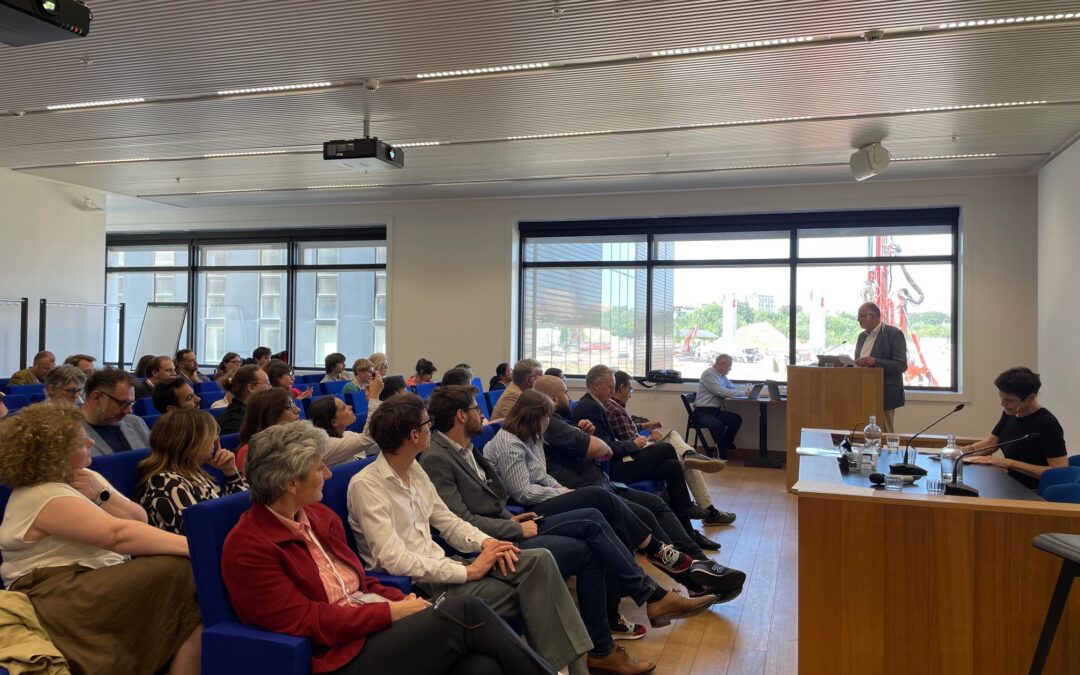
Von der Forschung zur Umsetzung: Die VISIONARY-Abschlusskonferenz zeigt Wege zu nachhaltigen Agrar- und Ernährungssystemen auf
Nach vier Jahren der Forschung, Zusammenarbeit und des Austauschs brachte das VISIONARY-Projekt Forscher, politische Entscheidungsträger, Fachleute aus der Praxis und Interessenvertreter aus ganz Europa zu seiner Abschlusskonferenz „From Research to Action“ zusammen,...
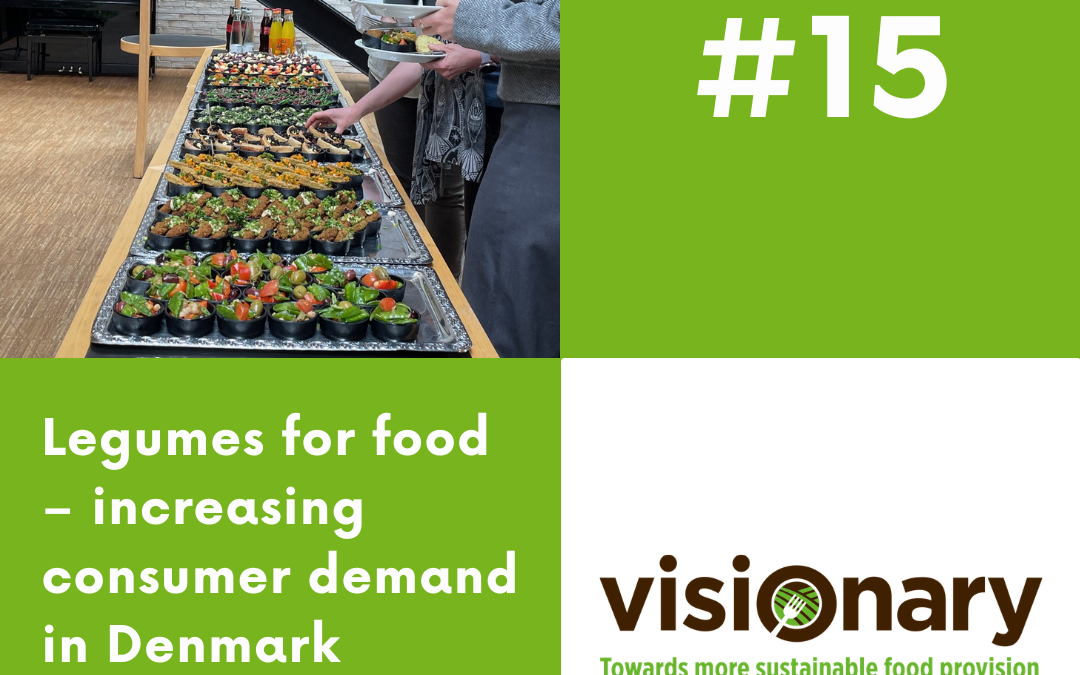
SPI des Monats: Hülsenfrüchte als Lebensmittel – steigende Nachfrage der Verbraucher in Dänemark
Diese SPI versammelt ein breites Spektrum von Interessenvertretern aus dem dänischen Pflanzeneiweißsektor, darunter Produzenten (Lebensmittelunternehmen, Verarbeiter, Landwirte), Nichtregierungsorganisationen und Think Tanks sowie politische Entscheidungsträger aus...
Veröffentlichungen
Klimaskepsis und die Reaktionen der Landwirte auf die CO₂e-Besteuerung
Read more
Die in der Fachzeitschrift „Ecological Economics“ veröffentlichte Studie untersucht, wie Klimaskepsis die Wahrnehmung von Landwirten hinsichtlich klimapolitischer Maßnahmen in der Landwirtschaft und von Klimaschutzmaßnahmen beeinflusst. In einer Umfrage unter 981 dänischen Landwirten stellten die VISIONARY-Partner Kahsay Haile Zemo und Mette Termansen von der Universität Kopenhagen fest, dass klimaskeptische Landwirte die negativen Auswirkungen einer CO₂e-Steuer tendenziell überschätzen, stärkeren Widerstand gegen die Politik zeigen und weniger bereit sind, sich an Klimainitiativen zu beteiligen oder Klimaschutzmaßnahmen zu ergreifen. Diese Effekte sind bei Viehzüchtern besonders ausgeprägt.
SPI-Briefing Nr. 2 – Landwirtschaft und Wasserresilienz
Read more
Erkenntnisse aus der Europäischen Strategie zur Wasserresilienz (2025)
SPI-Briefing Nr. 2 – Methodik der Zukunftsforschung
Read more
In diesem zweiten SPI-Briefing stellen wir den Zukunftsansatz vor – einen Ansatz, der den Akteuren hilft, Meinungsverschiedenheiten zu überwinden, die Zusammenarbeit und das Vertrauen zu stärken und gemeinsame Wege in eine wünschenswerte Zukunft zu erkunden. Dies ist besonders relevant für komplexe und sensible Themen wie die kollektive Wassernutzung in der Landwirtschaft, einer entscheidenden Ressource für die Nahrungsmittelproduktion. Der „Policy Corner“ beleuchtet wichtige Erkenntnisse aus der Europäischen Strategie zur Wasserresilienz (Juni 2025), der Wasserrahmenrichtlinie (WRRL) sowie die wichtigsten Punkte zum Thema Wasser im Rahmen der neuen Gemeinsamen Agrarpolitik (GAP).
Kollektive Anreize und Fairnessnormen in Agrarumweltprogrammen: Eine agentenbasierte Analyse der Kosteneffizienz
Read more
Dieses Arbeitspapier mit dem Titel „Kollektive Anreize und Fairnessnormen in Agrarumweltprogrammen: Eine agentenbasierte Analyse der Kosteneffizienz“ stellt die Entwicklung eines agentenbasierten Modells vor, das verhaltenswissenschaftliche Versuchsdaten in den Entscheidungsprozess einbezieht. Genauer gesagt ist das Modell darauf ausgelegt, verschiedene politische Gestaltungsformen für kollektive Agrarumweltprogramme zur Verringerung der Stickstoffauswaschung zu bewerten und deren Kosteneffizienz zu untersuchen. Die Entscheidungsfindung der Landwirte im Modell erfolgt zweigleisig. Erstens spiegelt sie das übliche gewinnmaximierende Verhalten wider. Zweitens beziehen wir, in Anlehnung an die empirischen Ergebnisse von Zemo, Kahsay, Termansen und Thorsen (2026), eine Fairnesskomponente in die Entscheidungsfindung ein, geleitet von der von Fehr und Schmidt (1999) entwickelten Fairness-Theorie. Dementsprechend erfahren die Akteure Unannehmlichkeiten, wenn ihre individuellen Beiträge zum kollektiven Ziel als ungerecht empfunden werden.
Insgesamt stellt das Modell in seiner derzeitigen Form als Arbeitspapier einen ersten und relativ einfachen Ansatz dar. Die Implementierung in Julia bietet jedoch eine Grundlage für zukünftige Erweiterungen, die darauf abzielen, Entscheidungsprozesse genauer abzubilden.
Treiber und Hindernisse im Zusammenhang mit Initiativen zur Wertschöpfungskette
Read more
Treiber und Hindernisse im Zusammenhang mit Initiativen zur Wertschöpfungskette
Die Notwendigkeit, den Übergang zu einer nachhaltigen Lebensmittelversorgung und einem nachhaltigen Lebensmittelkonsum zu beschleunigen, ist sowohl dringend als auch komplex. Die Dringlichkeit ergibt sich aus den schädlichen Auswirkungen der derzeitigen Lebensmittelsysteme auf die Umwelt und die sozioökonomischen Verhältnisse. Die Komplexität liegt in der Art und Weise, wie das Agrar- und Ernährungssystem in all seinen Ausprägungen gestaltet ist, einschließlich der Intensivierung der Produktion und der Monokultur, der Konzentration der Unternehmenskontrolle in der Landwirtschaft und der Lebensmittelindustrie, der Konsolidierung von Einzelhandels- und Vertriebssystemen sowie der nicht nachhaltigen Konsummuster, die durch diese Strukturen verstärkt werden.
In den letzten Jahren haben sich Nischenentwicklungen in der Wirtschaft als wichtige Triebkräfte für eine nachhaltige Entwicklung herauskristallisiert. Oftmals ermöglicht durch soziotechnische Innovationen, haben sich diese alternativen Geschäfts- und Wertschöpfungskettenmodelle als potenzielle Lösungen für Marktversagen erwiesen, indem sie neue Produkte, Dienstleistungen und/oder Prozesse eingeführt haben. Ein positiver Einfluss auf die Nachhaltigkeit erfordert einen wesentlichen Beitrag zur Weiterentwicklung dieser Initiativen durch Skalierung in Umfang und Reichweite, um sowohl einen bedeutenden Markteinfluss als auch einen breiten gesellschaftlichen oder politischen Einfluss auszuüben. Das Potenzial dieser nachhaltigen Nischen-Wertschöpfungsketten bzw. Geschäftsmodelle, den Markt und die Gesellschaft erheblich zu verändern, ist jedoch noch unklar.
Die Studie stützt sich auf sieben innovative Initiativen entlang der Wertschöpfungskette der Agrar- und Lebensmittelbranche in ganz Europa, von denen jede ein eigenständiges Nischen-Geschäftsmodell darstellt, das alternative Betriebs- und Steuerungsmechanismen zur Förderung der Nachhaltigkeit einsetzt. Unter Verwendung eines praxisorientierten Ansatzes zur Analyse von Wertschöpfungsketten untersuchte die Studie, wie Nachhaltigkeit durch soziale Praktiken entlang der Wertschöpfungsketten eingeführt, umgesetzt und aufrechterhalten wird. Dieser zusammenfassende Bericht präsentiert die wichtigsten Ergebnisse zu den Triebkräften und Hindernissen bei der Förderung von Nachhaltigkeit in Wertschöpfungsketten sowie deren Auswirkungen auf die Fähigkeit der untersuchten nachhaltigen Unternehmensinitiativen, Nachhaltigkeitsergebnisse effektiv zu erzielen. Ein vollständiger Bericht wird zu gegebener Zeit zur Verfügung gestellt.
Die Ergebnisse zeigen, dass klar formulierte Nachhaltigkeitsvisionen und -ziele als Hebel für die Verankerung von Nachhaltigkeit in den Abläufen der Wertschöpfungskette wirken. Nachhaltigkeitsziele dürfen sich jedoch nicht auf Strategien auf Unternehmensebene beschränken; sie müssen durch koordinierte Maßnahmen entlang der gesamten Wertschöpfungskette umgesetzt werden, um materielle und immaterielle Ergebnisse zu erzielen. Ein entscheidender Faktor für die Förderung von Nachhaltigkeitsinnovationen in Wertschöpfungsketten liegt in der Rolle der führenden Initiativen bzw. Unternehmer bei der Identifizierung und Positionierung von Innovationen (technologischer oder sozialer Art) innerhalb der Kette. Diese Akteure fungieren als „Vermittler von Nachhaltigkeitspraktiken“, indem sie Ideen für Nachhaltigkeitsinnovationen kanalisieren und deren Einführung in der gesamten Kette gestalten (z. B. wie sie in der Kette umgesetzt werden) sowie durch effektive horizontale und vertikale Zusammenarbeit entlang der gesamten Kette wichtige soziale Brücken schlagen, um nachhaltigkeitsorientierte Transformationen zu ermöglichen.
Die Studie deckte eine Reihe dynamischer und miteinander vernetzter Praktiken entlang der Wertschöpfungskette auf, die für den Aufbau und die Aufrechterhaltung von Nachhaltigkeit von Bedeutung sind. Diese lassen sich in drei thematische Kategorien einteilen: Zusammenarbeit, Verbesserung und relationale Steuerung. Diese Praktiken dienen als zentrale Triebkräfte für Nachhaltigkeitsinnovationen, indem sie Veränderungsprozesse strukturieren und die operativen Aktivitäten der beteiligten Akteure entlang der Wertschöpfungskette prägen.
Kooperationspraktiken wie der Informationsaustausch und der Aufbau von Netzwerken fördern die Einbindung von Interessengruppen und kollektives Handeln. Die Verbesserung dieser Praktiken unterstützt Experimente, gemeinsame Innovation, gemeinsames Lernen und die Entwicklung von Kompetenzen, was sowohl das Wissenskapital als auch das Sozialkapital stärkt. Beziehungsorientierte Governance-Praktiken, darunter Verhaltenskodizes und effektive Kommunikation, spielen eine funktionale Rolle, indem sie das Vertrauen stärken, Beziehungen auf der Grundlage gemeinsamer Erwartungen in der Wertschöpfungskette aufbauen und eine positive Geschichte der Zusammenarbeit fördern.
Diese Praktiken tragen im Kontext der Wertschöpfungskette zur Schaffung und Aufrechterhaltung von Nachhaltigkeit bei, indem sie verschiedene Formen soziotechnischer, sozioökonomischer und soziokultureller Entwicklungen fördern, darunter die Schaffung sicherer Marktchancen für Produzenten, den Aufbau von Wissenskapital durch die Stärkung der Kapazitäten der Interessengruppen sowie die Stärkung des Sozialkapitals.
Trotz dieser förderlichen Maßnahmen bestehen entlang der gesamten Wertschöpfungsketten weiterhin gemeinsame Hindernisse; insbesondere begrenzte finanzielle Ressourcen und die Unfähigkeit, wesentliche Veränderungen der Markt- und Verbrauchernachfrage herbeizuführen, erweisen sich als zentrale Einschränkungen, die erhebliche Risiken für die Skalierbarkeit, die Übertragbarkeit und die langfristige Tragfähigkeit mit sich bringen.
Zusammenfassend lässt sich sagen, dass die Studie nützliche und umsetzbare Leitlinien für Unternehmen bietet, um ihre internen Wertschöpfungskettenprozesse zu optimieren und so den Übergang zur Nachhaltigkeit effektiv voranzutreiben. Darüber hinaus liefert die Studie Erkenntnisse für mögliche politische Maßnahmen, mit denen die Skalierbarkeit und/oder die Übertragbarkeit dieser kleinen nachhaltigen Geschäftsmodelle gefördert werden können.
Für Unternehmen lassen sich folgende Aspekte empfehlen:
- Zusammenarbeit und gemeinsames Handeln entlang der gesamten Wertschöpfungskette sind unerlässlich, um systemische Herausforderungen im Bereich der Nachhaltigkeit zu bewältigen. Dies bedeutet, dass alle gemeinsam Verantwortung für die Erreichung eines gemeinsamen Ziels übernehmen.
- Governance-Strukturen: Unternehmen sollten in den Aufbau von gegenseitigem Vertrauen und Beziehungsfähigkeit zwischen den Akteuren entlang der gesamten Wertschöpfungskette investieren. Dies ist unerlässlich, um soziale Bindungen zu stärken, die die Einbindung in Praktiken der kontinuierlichen Verbesserung – d. h. Praktiken der gemeinsamen Gestaltung – ermöglichen, um Innovationen langfristig zu erhalten und kontinuierlich weiterzuentwickeln. Das Vorhandensein formeller oder informeller Steuerungsmechanismen innerhalb der Kette ist unerlässlich, um den Akteuren Leitlinien an die Hand zu geben und die Beziehungen so zu gestalten, dass vertrauensvolle Beziehungen aufgebaut werden können.
- Der Aufbau von Netzwerken und die Mobilisierung eines breit gefächerten Spektrums externer Interessengruppen können dazu beitragen, die Ressourcen- und Wissenskapitalengpässe zu überwinden, mit denen diese „Nischenunternehmen“ häufig konfrontiert sind.
Politische Empfehlungen
Politische Maßnahmen sollten der Förderung nachhaltiger Unternehmen auf lokaler Ebene Vorrang einräumen, indem sie Finanzierungsmöglichkeiten für Investitionen in die Modernisierung der regionalen bzw. lokalen Liefer- und Wertschöpfungsketten sowie in den Kapazitätsaufbau und in das Marketing bereitstellen und so die Sichtbarkeit, den Bekanntheitsgrad und die langfristige Wettbewerbsfähigkeit steigern.
- Führungsrolle und Unterstützung durch die Regierung: Dies ist unerlässlich, um die Sichtbarkeit nachhaltiger unternehmerischer Initiativen von KMU zu fördern, indem ihre Nachhaltigkeitsbemühungen anerkannt werden und den Unternehmen damit eine Legitimität verliehen wird, die über rein wirtschaftliche Erwägungen hinausgeht.
- Lücken in der Infrastruktur der Wertschöpfungskette: Politische Maßnahmen sollten Investitionen in diese Infrastrukturen auf lokaler und regionaler Ebene priorisieren, um die betriebliche Effizienz nachhaltiger Lieferketten von KMU zu verbessern und die Transaktionskosten zu senken.
- Gestaltung der öffentlichen Förderung: Politische Rahmenbedingungen sollten über eine kurzfristige Finanzierung hinausgehen und stattdessen eine stabile, mittel- bis langfristige finanzielle Unterstützung für nachhaltige KMU im Agrar- und Lebensmittelsektor bieten. Eine solche Unterstützung sollte flexibel sein, um die Stabilität und Anpassungsfähigkeit zu gewährleisten, die für die Umsetzung ambitionierter, innovativer Projekte erforderlich sind. Dies wird dazu beitragen, die langfristige Tragfähigkeit und die Skalierbarkeit dieser Geschäftsmodelle sicherzustellen. So sind beispielsweise öffentliche Förderprogramme erforderlich, die es diesen Initiativen ermöglichen, Marketing- und Werbekosten über einen festgelegten Zeitraum zu decken. Dies ist unerlässlich, um die Sichtbarkeit, das Verbraucherbewusstsein und die Marktnachfrage zu steigern.
- Führungsrolle des Sektors stärken: Öffentlich-private Partnerschaften (ÖPP) fördern und führenden Akteuren oder Vorreiterunternehmen in nachhaltigen Wertschöpfungsketten stabile finanzielle Unterstützung gewähren. Diese Akteure sind Pioniere und Unternehmer, die eine zentrale Rolle bei der Koordinierung der Interessengruppen und der Mobilisierung gemeinsamer Maßnahmen entlang der gesamten Lieferketten spielen. Sie werden oft als unverzichtbar für Innovation und die Förderung einer nachhaltigen Entwicklung anerkannt, erhalten jedoch häufig keine institutionelle Unterstützung. Investitionen in diese PPP bieten die Chance, die soziale Infrastruktur entlang der Lieferketten zu stärken, was die Beziehungs- und Innovationskapazitäten verbessert, die erforderlich sind, um einen nachhaltigeren Wandel in soziotechnischen, sozioökonomischen und soziokulturellen Bereichen zu ermöglichen. Diese Veränderungen sind unerlässlich, um einen Systemwandel zu ermöglichen.
Die Rolle von Verhaltensfaktoren bei der Gestaltung wirtschaftspolitischer Maßnahmen zur Reduzierung der Treibhausgasemissionen aus der Landwirtschaft
Read more
Dieses im Rahmen des Arbeitspakets 3 (WP3) des VISIONARY-Projekts erstellte Manuskript trägt zum übergeordneten Ziel bei, politische Hebel zu identifizieren, die den Übergang zu nachhaltigen Landwirtschafts- und Ernährungssystemen in Europa unterstützen können. Im Rahmen von WP3 wird untersucht, wie verhaltensorientierte Ansätze und experimentelle Methoden dazu beitragen können, wirksame agrarökologische politische Maßnahmen zu konzipieren, um drei zentrale Herausforderungen des Wandels anzugehen: Klimaneutralität, Eindämmung des Verlusts an biologischer Vielfalt und Verbesserung der Wasserqualität. In diesem Zusammenhang konzentriert sich das Manuskript auf die Rolle von Verhaltensfaktoren – kognitive, soziale und dispositionelle Faktoren, die die menschliche Entscheidungsfindung beeinflussen – bei der Bestimmung der Reaktionen von Landwirten auf wirtschaftspolitische Instrumente, die darauf abzielen, die Treibhausgasemissionen aus der Landwirtschaft zu reduzieren.
Das Manuskript präsentiert Ergebnisse aus zwei sich ergänzenden experimentellen Studien. Die erste Studie untersucht die Präferenzen italienischer Milchviehhalter hinsichtlich alternativer Zahlungsmodelle, die Anreize für den Einsatz von Futterzusätzen auf Basis ätherischer Öle schaffen sollen, um die enterischen Methanemissionen zu reduzieren. Anhand eines „Lab-in-the-Field“-Experiments mit 120 Landwirten in der Autonomen Provinz Trient ermittelt es die Bereitschaft zur Akzeptanz von handlungsbezogenen Zahlungen (Action-Based Payments, ABPs), ergebnisorientierte Zahlungen (RBPs), die entweder als Agrarumwelt- und Klimaprogramm oder als freiwilliger Kohlenstoffmarkt konzipiert sind, sowie hybride Zahlungsmodelle (HP), die beide Komponenten kombinieren. Die zweite Studie untersucht die Einschätzungen dänischer Landwirte hinsichtlich der wirtschaftlichen Auswirkungen einerCO₂e-Steuerauf die Landwirtschaft und prüft, ob die Bereitstellung von Experteninformationen Fehlwahrnehmungen reduzieren und die Unterstützung für politische Maßnahmen erhöhen kann. Sie stützt sich auf ein randomisiertes Umfrageexperiment mit 981 Landwirten, das im Zusammenhang mit den tatsächlichenCO₂e-SteuervorschlägenDänemarks sowohl bei einem hohen (750 DKK/Tonne) als auch bei einem niedrigen (125 DKK/Tonne) Strengegrad durchgeführt wurde.
Die Ergebnisse zeigen, dass Verhaltensfaktoren zentrale Vermittler für die Akzeptanz klimapolitischer Instrumente durch Landwirte sind. Italienische Milchbauern zeigen eine allgemeine Präferenz für ABPs gegenüber RBPs, die auf Vertrautheit, der Präferenz für Sicherheit und geringerer Komplexität beruht; allerdings verbessert sich die Akzeptanz innovativer Zahlungsmechanismen erheblich, wenn umweltfreundliche Einstellungen vorhanden sind, die Risikoscheu geringer ist, die Landwirte eine höhere wahrgenommene Verhaltenskontrolle über die Umsetzung neuer Praktiken haben und wenn RBPs in hybriden Formaten neben konventionellen Subventionen eingeführt werden. Bemerkenswert ist, dass die Reaktionen der Landwirte auf hybride Modelle im Rahmen eines AECS-Ansatzes kohärenter ausfallen als im Rahmen eines freiwilligen Kohlenstoffmarktes, was darauf hindeutet, dass reine Marktmechanismen zusätzliche psychologische Barrieren schaffen. Dänische Landwirte überschätzen systematisch und erheblich die negativen wirtschaftlichen Auswirkungen derCO₂e-Steuer– um bis zu den dreifachen Wert im Vergleich zu Expertenschätzungen –, und diese Wahrnehmungslücke stellt einen wesentlichen Treiber für den Widerstand gegen die Politik dar. Experteninformationen reduzieren diese Fehlwahrnehmungen teilweise und erhöhen die Zustimmung zur Steuer, doch der Effekt ist heterogen: Kleinere Betriebe und Ackerbauern reagieren eher positiv, während größere Betriebe und Viehzüchter nur eine begrenzte Änderung ihrer Überzeugungen zeigen, was mit motiviertem Denken im Einklang steht. Die Studie stellt zudem fest, dass der Widerstand gegen die CO₂-Steuer paradoxerweise die Offenheit für ein Emissionshandelssystem (ETS) in der Landwirtschaft erhöhen kann, was auf einen politischen Substitutionseffekt mit wichtigen Implikationen für die Abfolge politischer Maßnahmen hindeutet. Zusammengenommen unterstreichen diese Ergebnisse, dass die Erreichung von Treibhausgasreduktionen in der Landwirtschaft politische Konzepte erfordert, die den Verhaltensrealitäten Rechnung tragen, darunter Unsicherheitsaversion, Überzeugungsverzerrungen und die Heterogenität der Landwirte. Damit tragen sie zum übergeordneten Ziel von VISIONARY bei, zu ermitteln, wie politische Gestaltung den Übergang zur Nachhaltigkeit in vielfältigen sozioökologischen Kontexten erleichtern kann.
Der vollständige Bericht wird in Kürze verfügbar sein.
Maßnahmen im Supermarktbereich zur Förderung des Verzehrs klimafreundlicherer Lebensmittel
Read more
Dieser Bericht fasst die Ergebnisse zweier Studien zu Maßnahmen in Supermärkten zusammen, die darauf abzielen, den klimatischen Fußabdruck des Lebensmittelkonsums zu verringern. Auf die Lebensmittelsysteme entfällt etwa ein Drittel der weltweiten anthropogenen Treibhausgasemissionen. Die „Farm-to-Fork“-Strategie erkennt die dringende Notwendigkeit an, den Klimafußabdruck des europäischen Lebensmittelsystems durch einen umfassenden Wandel entlang der gesamten Lebensmittelkette zu verringern, einschließlich einer Umstellung der Ernährungsgewohnheiten der Verbraucher. Der Einzelhandel spielt eine zentrale Rolle bei der Gestaltung der Märkte und der Beeinflussung der Ernährungsentscheidungen der Verbraucher, und die „Farm-to-Fork“-Strategie fordert ausdrücklich Veränderungen in den Vertriebs- und Vermarktungspraktiken für Lebensmittel.
Das übergeordnete Ziel der beiden in diesem Bericht vorgestellten empirischen Studien bestand darin, die Wirksamkeit von Maßnahmen in Supermärkten bei der Verringerung der klimabezogenen Auswirkungen des Lebensmittelkonsums durch eine Verhaltensänderung der Verbraucher hin zu nachhaltigeren Lebensmittelentscheidungen zu untersuchen. Im Rahmen der beiden Studien wurde eine Reihe von Maßnahmen mittels eines Online-Supermarkt-Experiments getestet, das in eine Verbraucherumfrage eingebettet war. Wir simulierten eine realistische Online-Supermarktumgebung, um das Einkaufsverhalten von Haushalten in verschiedenen Lebensmittelkategorien zu bewerten. Studie 1 konzentrierte sich auf Verhaltensinterventionen und untersuchte die Auswirkungen einer Platzierungsintervention (d. h. der strategischen Platzierung pflanzlicher Sortimente in den Fleisch- und Milchproduktabteilungen), eines Klimakennzeichens (d. h. eines Ampelsystems auf Basisder CO₂e-Emissionen) sowie der Kombination aus beidem. Die Studie wurde in Deutschland, Dänemark, Spanien und Ungarn mit einer Stichprobe von N = 7.373 Teilnehmern durchgeführt. Studie 2 untersuchte die Auswirkungen von Preisänderungen (d. h. Preiserhöhungen für emissionsintensive Lebensmittel und/oder Preissenkungen für emissionsarme Lebensmittel), Klimakennzeichnungen (d. h. Informationen zu denCO₂e-Emissionenvon Lebensmitteln) sowie verschiedene Kombinationen dieser Interventionsmaßnahmen. Die Studie wurde in Italien, Polen und dem Vereinigten Königreich mit einer repräsentativen Stichprobe von N = 7.482 Verbrauchern durchgeführt.
Studie 1 zu verhaltensorientierten Maßnahmen in Supermärkten in Deutschland, Dänemark, Spanien und Ungarn zeigte, dass die strategische Platzierung pflanzlicher Sortimente in den Fleisch- und Molkereiproduktabteilungen sowie die Einführung eines Klimasiegels den CO₂-Fußabdruck von Lebensmitteleinkäufen verringern können, insbesondere wenn beide Maßnahmen gemeinsam umgesetzt werden. Die Wirksamkeit der getesteten Maßnahmen variierte von Land zu Land, und nicht alle Effekte waren statistisch signifikant. In Deutschland, Dänemark und Spanien führte die Kombination aus der Platzierungsmaßnahme und einem Klimalabel zu der größten Emissionsreduktion von –13 % bis –16 % (im Vergleich zur Kontrollgruppe). In Spanien und Dänemark hatte auch die Einführung eines Klimasiegels einen statistisch signifikanten Effekt. Die Platzierungsmaßnahme allein zeigte nur in Dänemark einen signifikanten Effekt. In Ungarn reduzierte keine der getesteten Maßnahmen die Klimaauswirkungen von Lebensmitteleinkäufen signifikant; die kombinierte Maßnahme führte jedoch bei jüngeren Altersgruppen (bis 40 Jahre) zu einer signifikanten Verringerung der Klimemissionen.
Studie 2 zu preis- und informationsbasierten Maßnahmen in Italien, Polen und dem Vereinigten Königreich ergab, dass Preismechanismen und Informationen wirksame Instrumente zur Verringerung der Emissionen aus dem Ernährungsverhalten sind. Während Preiserhöhungen für emissionsintensive Lebensmittel im Durchschnitt in allen drei Ländern die stärksten Auswirkungen in Bezug auf die Emissionsminderung hatten (–4 % bis –9 %), unterschied sich die Wirkungsstärke der übrigen Maßnahmen von Land zu Land, was darauf hindeutet, dass die optimale Umsetzung von den spezifischen landesspezifischen Gegebenheiten abhängen könnte. Preisnachlässe für emissionsarme Lebensmittel führten für sich genommen nicht zum gewünschten Effekt einer Verringerung der Klimaauswirkungen des Lebensmittelkonsums, sondern hatten stattdessen einen Null-Effekt (Italien) oder sogar einen positiven Effekt (Polen und das Vereinigte Königreich) auf die lebensmittelbedingten Emissionen – es sei denn, sie wurden mit einer Klimakennzeichnung und/oder Preiserhöhungen für emissionsreiche Lebensmittel kombiniert. Die Klimakennzeichnung allein (ohne die Einführung von Preisänderungen) führte in Polen und im Vereinigten Königreich zu bemerkenswert signifikanten Emissionsminderungen, war in Italien jedoch unwirksam. Die Ergebnisse aus Studie 2 zeigen darüber hinaus, dass es möglich ist, mit unterschiedlichen Instrumentenkombinationen gleichwertige Emissionsminderungen zu erzielen, und dass Lösungen sorgfältig ausgewählt und je nach länderspezifischem Kontext und Zielen maßgeschneidert werden sollten.
In beiden Studien waren die signifikanten Verringerungen der Klimaauswirkungen von Lebensmitteleinkäufen in erster Linie auf geringere Einkaufsmengen emissionsintensiver Lebensmittel zurückzuführen, insbesondere von Rindfleisch und Käse. Obwohl der durchschnittliche Rückgang der Kaufmengen dieser Produkte relativ gering war, war die entsprechende Verringerung der CO₂e-Emissionen beträchtlich, was unterstreicht, dass bereits kleine Veränderungen im Verbraucherverhalten weg von emissionsintensiven, tierischen Lebensmitteln erhebliche Klimavorteile mit sich bringen können.
Die getesteten Maßnahmen zur Förderung von (pflanzlichen) Lebensmitteln mit geringen CO₂e-Emissionen – die Platzierungsmaßnahme in Studie 1 und die Preisnachlassmaßnahme in Studie 2 – führten in allen Ländern beider Studien zu einem erfolgreichen Anstieg der Käufe dieser Produkte. Interessanterweise konnten diese Maßnahmen, wenn sie als Einzelmaßnahmen und nicht als Teil eines Instrumentenmixes umgesetzt wurden, der auch Aspekte von Lebensmitteln mit hohen Emissionen verändert, die Klimaauswirkungen von Lebensmitteleinkäufen nicht signifikant verringern. Verbraucher, die diesen Maßnahmen ausgesetzt waren, reduzierten den Konsum emissionsintensiver Lebensmittel nicht signifikant, sodass die angestrebte Substitution von emissionsintensiven durch emissionsarme Lebensmittel nicht stattfand.
Die Ergebnisse der beiden Studien werfen wichtige Fragen hinsichtlich der Rolle und des Einflusses von Supermärkten bei der Gestaltung des Lebensmittelumfelds auf, in dem Verbraucher ihre Ernährungsentscheidungen treffen. Die Studien zeigen, dass weitreichende Maßnahmen in Supermärkten das Potenzial haben, den Klimafußabdruck des Lebensmittelkonsums in der EU erheblich zu verringern, indem sie das Verbraucherverhalten hin zu nachhaltigeren Ernährungsentscheidungen verändern. Zwar verfügt der Einzelhandel über erheblichen Einfluss, um einen solchen Wandel voranzutreiben, doch stehen die wirtschaftlichen Interessen der Einzelhändler nicht unbedingt im Einklang mit den politischen Zielen zur Verringerung der Klimaauswirkungen des Lebensmittelkonsums. Dieser Bericht soll sowohl private als auch öffentliche Akteure im Lebensmittelsektor informieren und motivieren, auf der Grundlage dieser Erkenntnisse zu handeln.
Der vollständige Bericht wird in Kürze verfügbar sein.
Verhaltensbezogene Erkenntnisse zur Nachfrage der Verbraucher nach nachhaltigen Lebensmitteln
Read more
Dieser Bericht fasst Erkenntnisse aus sieben empirischen Studien zusammen, in denen untersucht wurde, wie Anpassungen des Lebensmittelumfelds einen nachhaltigeren Lebensmittelkonsum fördern können. Lebensmittelsysteme tragen maßgeblich zur Umweltzerstörung bei und sind Ursache für den Verlust von Lebensräumen, Wasserverschmutzung, den Rückgang der Artenvielfalt und den Klimawandel (Crippa et al., 2021). Als Reaktion darauf zielt die „Farm-to-Fork“-Strategie der Europäischen Union darauf ab, den Umwelt- und Klimafußabdruck des Ernährungssystems zu verringern, indem Veränderungen entlang der gesamten Wertschöpfungskette – von der Produktion bis zum Verbrauch – gefördert werden (Europäische Kommission, 2020). Im Rahmen dieses Wandels nimmt der Einzelhandel eine strategische Position ein, da er die Produktverfügbarkeit, Marketingaktivitäten und Einkaufskontexte prägt und daher ausdrücklich in der Forderung der Strategie nach Veränderungen bei den Praktiken der Lebensmittelverteilung und -werbung angesprochen wird.
Die sieben in diesem Bericht zusammengefassten Studien bewerten ein breites Spektrum an Maßnahmen, die größtenteils in den Tätigkeitsbereich privater Lebensmitteleinzelhändler fallen, darunter Maßnahmen zur Gestaltungsarchitektur, Preisstrategien, Klimakennzeichnungen und andere Instrumente am Verkaufsort. Insgesamt befassen sie sich mit zwei übergeordneten Zielen, die für den Übergang zu nachhaltigeren Lebensmittelsystemen von zentraler Bedeutung sind:
• Verringerung der Klimaauswirkungen des Lebensmittelkonsums durch Maßnahmen in Supermärkten (Studien 1–5)
• Förderung des Konsums lokal produzierter Lebensmittel durch kurze Lieferketten (Studien 6 und 7)
In den Studien 1 und 2 wurde anhand länderübergreifender Umfrageexperimente untersucht, wie Maßnahmen in Supermärkten die Klimauswirkungen ganzer Warenkörbe beeinflussen. Studie 3 konzentrierte sich auf die Substitution von Fleisch durch Hülsenfrüchte durch die Verbraucher unter verschiedenen Preisszenarien anhand von Umfragestudien, die in Dänemark durchgeführt wurden. In den Studien 4 und 5 wurden Werbestrategien im Laden getestet, die darauf abzielten, den Kauf von Hülsenfrüchten zu steigern; dies geschah im Rahmen von Feldversuchen in realen Supermärkten in Spanien und Dänemark. Studie 6 bewertete die Wirksamkeit verschiedener Werbebotschaften bei der Gewinnung von Kunden für einen Hofladen in England, während Studie 7 die Wahrnehmungen, emotionalen Reaktionen und das Einkaufsverhalten der Verbraucher im Zusammenhang mit Bauernmärkten in Rumänien untersuchte, wobei der Schwerpunkt auf lokal produzierten Lebensmitteln lag.
Insgesamt zeigen die Ergebnisse der sieben Studien, dass verhaltensbezogene Maßnahmen im Lebensmitteleinzelhandel das Kaufverhalten der Verbraucher in Richtung nachhaltigerer Optionen lenken können. Ihre einzelnen Effekte sind jedoch in der Regel eher gering. Die Erkenntnisse deuten stark darauf hin, dass integrierte Maßnahmenpakete – insbesondere solche, die Preismaßnahmen, Klimakennzeichnung und strategische Produktplatzierung kombinieren – wesentlich wirksamer sind als isolierte Maßnahmen. Eine sinnvolle Verringerung der Klimaauswirkungen des Lebensmittelkonsums erfordert daher strukturelle Veränderungen im Lebensmittelumfeld und nicht allein das Verlassen auf freiwillige oder informative Maßnahmen.
Viele der identifizierten wirksamen Maßnahmen fallen in den Handlungsbereich privater Lebensmitteleinzelhändler, wodurch diese zu wichtigen Trägern des Wandels werden. Gleichzeitig bringt diese Abhängigkeit von Maßnahmen der Einzelhändler aus politischer Sicht Einschränkungen mit sich. Zwar können Einzelhändler eine wichtige unterstützende Rolle spielen, doch ist es unwahrscheinlich, dass sie als Hauptantriebskräfte eines systemischen Wandels fungieren. Politische Instrumente – wie Regulierung, steuerliche Anreize und verbindliche Informationspflichten – sind wahrscheinlich erforderlich, um die Praktiken im Einzelhandel stärker an übergeordnete Nachhaltigkeitsziele auszurichten.
Der vollständige Bericht wird in Kürze verfügbar sein.
Verhaltensreaktionen auf alternative politische Instrumente zur Reduzierung von Treibhausgasemissionen
Read more
Dieser Bericht dokumentiert die Ergebnisse von Task 3.2 „Transition of agri-environmental systems to climate-neutral food systems“ im Rahmen von WP3 „Agri-environmental policy experimentation“. Ziel dieser Aufgabe ist es, die Akzeptanz europäischer Landwirtinnen und Landwirte gegenüber verpflichtenden Maßnahmen (wie einem Emissionshandelssystem für die Landwirtschaft) sowie gegenüber freiwilligen Kohlenstoffmärkten zu untersuchen. Darüber hinaus werden weitere wirtschaftspolitische Instrumente betrachtet, darunter CO₂- bzw. CO₂e-Steuern und innovative Förderprogramme – wie ergebnisorientierte Zahlungen (Result-Based Payments, RBPs) und hybride Zahlungen (Hybrid Payments, HPs) –, die darauf abzielen, klimafreundliche landwirtschaftliche Praktiken zu fördern.
Außerdem verfolgt Task 3.2 das Ziel, zu untersuchen, ob und in welchem Ausmaß Verhaltensfaktoren die Akzeptanz solcher wirtschaftspolitischen Instrumente durch Landwirtinnen und Landwirte beeinflussen. Zur Erreichung dieser Ziele wurden zwei kontextualisierte Experimente mit insgesamt etwa 1.100 Landwirtinnen und Landwirten durchgeführt – eines in Italien und das andere in Dänemark.
Das Potenzial einer staatlichen Kennzeichnung für dunkelgrüne Agrarumweltmaßnahmen
Read more
Dieser Bericht wurde im Rahmen des Work Package 3 (WP3) des VISIONARY-Projekts erstellt und trägt dazu bei, politische Instrumente zu identifizieren, die den Übergang zu nachhaltiger Landwirtschaft und zu nachhaltigen Lebensmittelsystemen in Europa unterstützen können. WP3 untersucht, wie verhaltensbezogene Ansätze und experimentelle Methoden helfen können, wirksame agrar-umweltpolitische Maßnahmen zu entwickeln, um drei wichtige Herausforderungen anzugehen: Klimaneutralität, Stopp des Biodiversitätsverlusts und Verbesserung der Wasserqualität.
In diesem Zusammenhang konzentriert sich unsere Studie auf das Potenzial eines Kennzeichnungsrahmens für „dunkelgrüne“ agrar-umweltbezogene Klimamaßnahmen (AECM). Dieser könnte als politisches Instrument dienen, um Landwirtinnen und Landwirte zur Teilnahme zu motivieren und so den Übergang hin zu mehr Biodiversität zu unterstützen.
Förderung eines ausgewogenen Wachstums des ökologischen Landbaus in der EU: Hindernisse, Triebkräfte und das Potenzial einer künftigen Gestaltung der öffentlichen Beschaffungspolitik
Read more
Die Umstellung auf den ökologischen Landbau wird durch eine Vielzahl miteinander verknüpfter Hindernisse und Triebkräfte beeinflusst. Eine Auswertung bestehender Forschungsergebnisse, Denkmodelle, Workshops und Interviews hat gemeinsame Probleme wie eine instabile Nachfrage, begrenzte Verarbeitungskapazitäten, unzureichende Beratungsangebote, Arbeitskräftemangel und uneinheitliche politische Rahmenbedingungen aufgezeigt. Gleichzeitig wurden positive Faktoren wie der Erfahrungsaustausch unter Landwirten, Beratungsangebote, klare Aktionspläne, sektorübergreifende Zusammenarbeit und Aufklärungskampagnen identifiziert. Diese Ergebnisse zeigen, dass der Übergang zum ökologischen Landbau nicht durch ein einzelnes Problem blockiert wird, sondern davon abhängt, wie gut das gesamte Lebensmittelsystem funktioniert und wie verschiedene Akteure – Landwirte, Berater, Verarbeiter, Händler, Verbraucher und politische Entscheidungsträger – ihre Bemühungen koordinieren.
Überprüfung von Gestaltungsprinzipien für Modelle kollektiven Handelns zur Verbesserung der Nachhaltigkeit der Wassernutzung
Read more
Die Bewirtschaftung der Wasserressourcen auf Landschaftsebene ist von entscheidender Bedeutung für die Bewältigung ökologischer und hydrologischer Herausforderungen in der europäischen Landwirtschaft. Aufgrund der Zersplitterung des Grundbesitzes muss die Bewirtschaftung über einzelne Grundstücke hinausgehen und auf die hydrologischen Systeme abgestimmt werden, was eine kooperative Steuerung unter Einbeziehung von Landwirten und anderen Interessengruppen erfordert. Diese Studie (Meilenstein 9) zu Motiven und Hindernissen kollektiven Handelns zur Verringerung der Auswirkungen auf die Wasserressourcen nutzt die Gestaltungsprinzipien (Design Principles, DP) von Elinor Ostrom als Diagnoseinstrument zur Bewertung der institutionellen Robustheit in drei Fallbeispielen: Bewässerungsmanagement in Spanien und Ungarn sowie einflussgebietsbezogene Stickstoffregulierung in Dänemark. Der spanische Fall weist eine starke Übereinstimmung mit den DP auf und zeichnet sich durch verschachtelte, nutzerorientierte Organisationen sowie die rechtliche Anerkennung kollektiver Rechte aus. Der ungarische Fall zeigt eine starke Top-down-Kontrolle, es fehlt jedoch an der Kapazität zur Umsetzung komplexer und kollektiver Wasserbewirtschaftungsinitiativen sowie an der notwendigen Bottom-up-Zusammenarbeit, Koordination und fachlichen Begleitung. Der dänische Fall weicht aufgrund der begrenzten Einbindung von Interessengruppen und der geringen Autonomie der Nutzer deutlich von den DP ab. Diese Ergebnisse zeigen, wie der institutionelle Kontext und die Gestaltung der Governance die Legitimität und Wirksamkeit der Wasserbewirtschaftung beeinflussen. Während Ostroms Prinzipien einen wertvollen institutionellen Maßstab bieten, liefern sie nur begrenzte Einblicke in Verhaltensfaktoren, die die Beteiligung der Landwirte beeinflussen. Wir schlagen vor, dass zukünftige Forschungen zu Ostroms Prinzipien verhaltensbezogene Perspektiven einbeziehen müssen, um Erfolge und Misserfolge kollektiver Agrarumweltprogramme für eine nachhaltige Nutzung der Wasserressourcen besser zu verstehen. Unsere Folgearbeiten werden über die institutionelle Analyse hinausgehen, um die verhaltensbezogenen Hebel und Hindernisse in kollektiven Agrarumweltprogrammen zu untersuchen.
Agentenbasierte Modellierung von Lebensmittelsystemen: Eine Übersichtsstudie zur Einbeziehung verhaltenswissenschaftlicher Erkenntnisse
Read more
In diesem Artikel stellen wir eine Übersichtsarbeit zu agentenbasierten Modellen (ABMs) in Lebensmittelsystemen vor, wobei wir uns darauf konzentrieren, wie verhaltensbezogene Erkenntnisse einbezogen werden. Der Artikel wurde im „Environmental Modelling & Software Journal“ veröffentlicht und ist das entsprechende Ergebnis zu „Deliverable 5.3 – Überprüfung von Lebensmittelsystemmodellen und deren verhaltensbezogenen Annahmen“. Wir stellen fest, dass vielen Modellen eine verhaltensbezogene Begründung fehlt, und betonen die Notwendigkeit einer solideren Grundlage für verhaltensbezogene Annahmen.
Wir schlagen die folgenden vorläufigen Leitlinien vor, um die künftige Entwicklung von ABM bei der Modellierung von Lebensmittelsystemen zu unterstützen:
- Verhaltensbezogene Begründung. Verhaltensentscheidungen sollten durch Theorien oder Daten begründet werden. Beispielsweise durch die Verwendung des MoHuB-Rahmenmodells zur Ermittlung relevanter Verhaltenstheorien.
- Modellparsimonie. Modelle sollten so einfach wie möglich gehalten werden, indem man sich auf bestimmte Teile des Ernährungssystems konzentriert und den räumlichen Umfang auf das beschränkt, was zur Beantwortung der Forschungsfrage erforderlich ist.
- Transparenz und Dokumentation. Zur Verbesserung der Transparenz, Reproduzierbarkeit und Vergleichbarkeit wird die Verwendung standardisierter Protokolle wie ODD + D empfohlen.
Literaturbasierte Erfassung der Einflussfaktoren für Verhaltensänderungen im Ernährungssystem
Read more
Diese Studie (Ergebnis 2.1) umfasst eine systematische Literaturrecherche zur Erfassung von Hebeln und Lock-in-Effekten, um einen Überblick über die Triebkräfte für Verhaltensänderungen und deren Relevanz für bestimmte Akteure im Ernährungssystem sowie für bestimmte Wertschöpfungsketten zu geben. Dies wurde durch die Durchführung einer Überblicksübersicht (Umbrella Review) über systematische und strukturierte Literaturübersichten erreicht, die im Zusammenhang mit den Verhaltensaspekten des Nachhaltigkeitswandels in Lebensmittelsystemen erstellt wurden. Diese Übersichtsarbeit führte zu einer systematischen Erfassung der Faktoren, die die Verhaltensänderung von Akteuren im Lebensmittelsystem beeinflussen (sogenannte 360°-Übersichten), sowie zu einer narrativen Synthese der Empfehlungen aus den ausgewählten Übersichtsarbeiten.
Transdisziplinäre politische Bestandsaufnahme von Hindernissen und Maßnahmen für die Nachhaltigkeit des Ernährungssystems
Read more
Bericht über die allgemeinen und spezifischen Einflussfaktoren im Zusammenhang mit dem politischen Kontext
Dieses Ergebnisdokument 6.1 fasst die Ergebnisse zweier Aufgaben des VISIONARY-Projekts „Schnittstellen zwischen Wissenschaft und Politik sowie Beziehungsaufbau“ zusammen, analysiert sie und stellt sie einander gegenüber. Die beiden Arbeitspakete „Kartierung des politischen und regulatorischen Kontexts“ und „Partizipative Zukunftsanalysen“ wurden parallel durchgeführt und waren eng miteinander verknüpft. Diese Analyse verfolgt zwei Ziele. Erstens soll sie in die Konzeption der experimentellen Forschung einfließen, die im Rahmen verschiedener empirischer Aufgaben anderer VISIONARY-Arbeitspakete durchgeführt werden soll. Zweitens ermöglicht sie die Identifizierung und Erörterung relevanter politischer Lücken, die in den kommenden politischen Zyklen der EU und des Vereinigten Königreichs geschlossen werden müssen.
Arbeitspapier zu Triebkräften und Hindernissen bei Wertschöpfungsketteninitiativen für nachhaltige Produktion und nachhaltigen Konsum
Read more
Dieses Arbeitspapier zu Treibern und Hindernissen bei Wertschöpfungsketteninitiativen ist Teil von Meilenstein 15 des VISIONARY-Projekts. Das vorliegende Dokument enthält eine Analyse der Treiber und Hindernisse für Nachhaltigkeitsinnovationen in sieben Initiativen der Agrarwirtschaft in sieben Partnerländern (Dänemark, Deutschland, Ungarn, Rumänien, Spanien, Polen, Vereinigtes Königreich).
Akzeptanz pflanzlicher Proteinprodukte – Triebkräfte und Hindernisse
Read more
Dieser Bericht präsentiert die Ergebnisse einer Studie, die im Rahmen des VISIONARY-Projekts durchgeführt wurde und sich mit den Herausforderungen und Chancen innerhalb der europäischen Wertschöpfungsketten für Hülsenfrüchte befasst. Im Mittelpunkt der Studie steht die Ermittlung der Hindernisse, die die Akzeptanz pflanzlicher Proteine, insbesondere von Hülsenfrüchten, in Dänemark, Deutschland, Polen und Spanien einschränken. Zudem werden potenzielle Strategien und Hebel untersucht, um die Akzeptanz dieser Produkte zu steigern. Die wichtigsten Ergebnisse zeigen die Hindernisse für die Akzeptanz auf und benennen Ansatzpunkte, die zu einer größeren Akzeptanz von Hülsenfrüchten in diesen Ländern führen könnten.
Wertschöpfungskettenanalyse
Read more
Dieser Bericht stellt einen bedeutenden Schritt bei unserer Untersuchung nachhaltiger Wertschöpfungsketten dar, die wir anhand detaillierter Fallstudien mit Schwerpunkt auf Wertschöpfungsketteninitiativen und Geschäftsmodellen durchführen. Wir untersuchen einzelne Fallstudien aus sieben Partnerländern: Dänemark, Deutschland, Ungarn, Rumänien, Spanien, Polen und dem Vereinigten Königreich. Unsere Analyse verfolgt einen praxisorientierten Ansatz, um zu verstehen, wie Nachhaltigkeit in diese Wertschöpfungsketten integriert wird. Durch die Untersuchung realer Praktiken innerhalb von Organisationen und entlang der Lieferketten gewinnen wir Einblicke in die Zusammenhänge – sowohl förderliche als auch herausfordernde –, die sich auf Nachhaltigkeitsbemühungen auswirken. Diese Perspektive wirft ein neues Licht auf die internen Dynamiken und die weiterreichenden Auswirkungen nachhaltiger Praktiken innerhalb von Wertschöpfungsketten.
Liste der geplanten Verbreitungsmaßnahmen
Read more
Arbeitspaket 1: Einbindung, Kommunikation, Verbreitung und Nutzung
Meilenstein 1
Flyer zum „Visionary“-Projekt
Read more
Hier finden Sie alle wichtigen Fakten zu VISIONARY auf einen Blick.
Analytischer Framework
Read more
Dieser analytische Framework wird die empirische Forschung des VISIONARY-Projekts in Bezug auf politische Maßnahmen, neuartige Initiativen entlang der Wertschöpfungskette und Geschäftsmodelle sowie Hebelpunkte in den Agrar- und Ernährungssystemen leiten. Der analytische Rahmen verfolgt einen neuartigen Ansatz, der zwei grundlegend unterschiedliche Ansätze miteinander verbindet: einerseits quantitative, experimentelle und verhaltensökonomische Ansätze und andererseits qualitative, ganzheitliche Ansätze des Systemdenkens.
SPI Foresight Workshops 2023
Read more
Diese Veröffentlichung gibt einen Überblick über die 16 Foresight-Workshops, die in acht europäischen Ländern mit den Teilnehmern unserer Science Policy Interfaces (SPI) durchgeführt wurden - rund 270 Interessengruppen aus dem Lebensmittelsystem, darunter Landwirte, politische Entscheidungsträger, Wissenschaftler, Einzelhändler und NRO. Im Rahmen der Vorausschau wurden einige der drängendsten Probleme unserer Lebensmittelsysteme erörtert: die Wasserbewirtschaftung in der Landwirtschaft, die Zukunft von Bio-Lebensmitteln und -Landwirtschaft sowie die Förderung pflanzlicher Produkte entlang der Wertschöpfungskette.
Anfänglicher konzeptioneller Framework
Read more
Dieser erste konzeptionelle Framework fasst die theoretischen und konzeptionellen Grundlagen von VISIONARY zusammen und erklärt den systemischen Charakter des Lebensmittelsystems und seine Übergänge zur Nachhaltigkeit, die Rolle der Verhaltensfaktoren der Lebensmittelakteure bei der Konditionierung solcher Übergänge und die Interaktion zwischen Forschung und Politik zur Beschleunigung. Dieser erste Rahmen bildet die Grundlage für den "empirisch fundierten konzeptionellen Rahmen", der im Sommer 2025 veröffentlicht werden soll. Nach einem ersten Überblick über die Ansätze, die sich mit der Umstellung der Lebensmittelsysteme auf Nachhaltigkeit und ihrer Verhaltensdimension (insbesondere bei Landwirten und Verbrauchern) befassen, konzentriert sich das Dokument auf zwei Hauptbereiche: Verhaltensorientierte Lebensmittelpolitik" und "Nachhaltige Geschäftsmodelle". Schließlich vertieft das Dokument den transdisziplinären Ansatz des Projekts, der auf dem Konzept und der Umsetzung von Schnittstellen zwischen Wissenschaft und Politik basiert.
Fallstudien
TamarGrowLocal ist eine lokale Initiative, die die von The Open Food Network angebotene Softwareplattform nutzt, um Verbraucher und Erzeuger miteinander zu verbinden. TamarGrowLocal